Vertical ads YouTube format
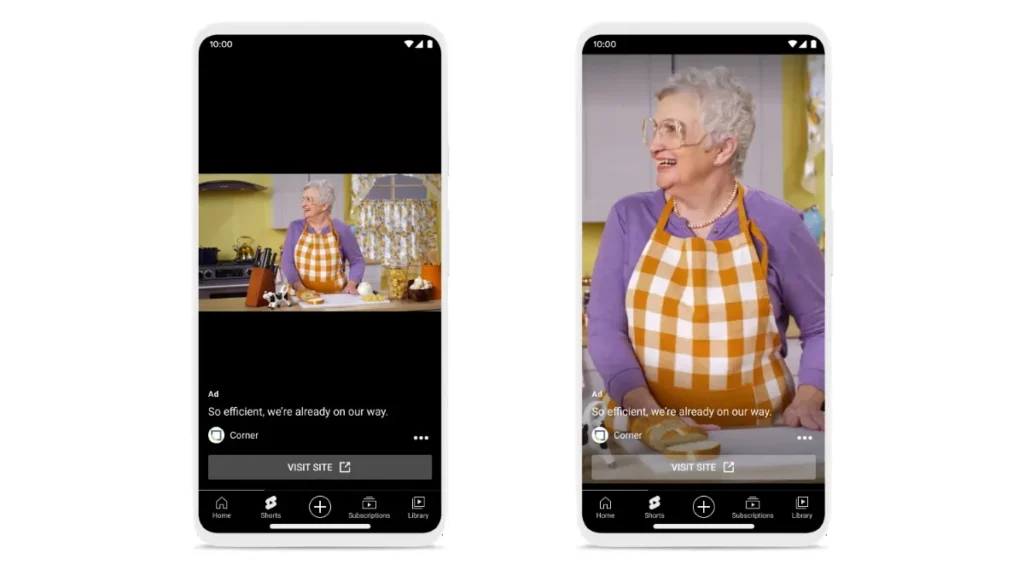
Vertical ads YouTube are becoming an increasingly important choice as viewing behavior shifts strongly toward mobile devices and the vertical format dominates short-video platforms. When used correctly, vertical ads YouTube help brands expand their natural touchpoints, fully utilizing the vertical screen to convey the message completely without disrupting the experience. The strength of this format lies in its ability to match continuous viewing habits, helping users absorb content quickly and seamlessly. In the context of increasing competition for attention, vertical ads YouTube create a cleaner, more direct, and less contextually conflicted opportunity for engagement, especially when brands want to prioritize recognition speed and visual memorability.
Vertical Ads YouTube: The New Direction for Businesses
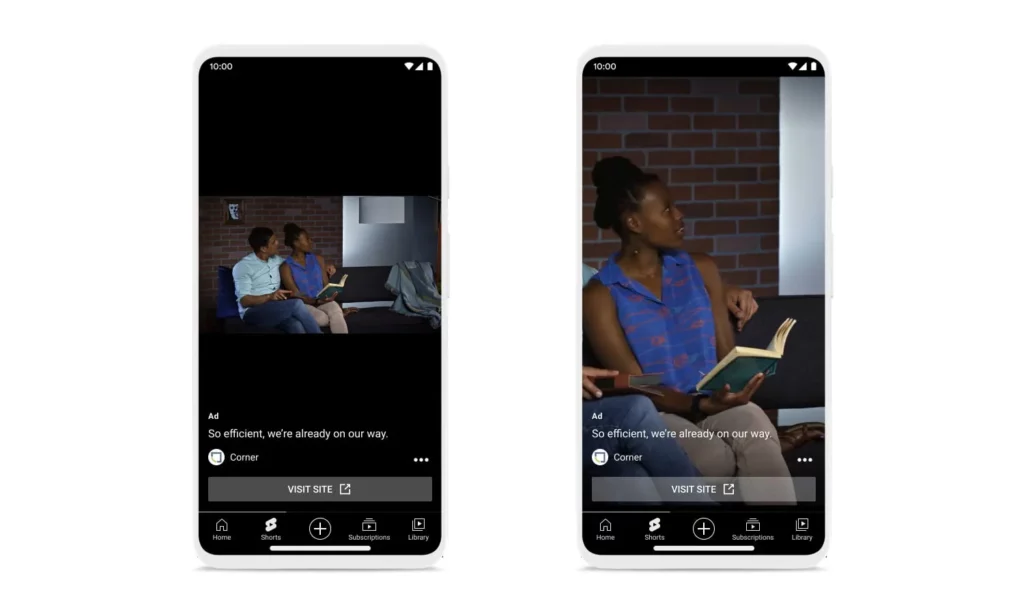
The emergence and development of this $9:16$ format is not merely a change in aspect ratio but a crucial strategy that helps brands capture the attention of target customers effectively and naturally.
Features & Benefits
The adoption of vertical advertising is not simply about copying horizontal content and placing it in a vertical frame. This is a strategic approach leveraging the unique characteristics of mobile content to deliver specific and measurable benefits to businesses.
Optimization for mobile devices is the core advantage. Vertical ads are designed to fit perfectly with the way users consume content on mobile phones, occupying the entire screen space when scrolling or viewing in full-screen mode. This eliminates unwanted black spaces, creating a seamless and distraction-free user experience.
With the ability to utilize the entire display space, the vertical format delivers a visual, vivid, and highly present experience. Vertical videos often directly emphasize the human element or product, easily capturing viewer attention within the first few seconds, which is the golden moment in digital advertising.
By reaching users in full-screen mode without distraction, vertical ads create longer exposure time and a stronger connection with viewers. This leads to improved engagement rates and, more importantly, a higher conversion rate, as users tend to focus more on the message and the call-to-action.
The vertical format is particularly effective in creating highly relevant messages for specific target groups. The creative storytelling capacity within the vertical frame allows businesses to target certain interests, locations, or consumption contexts (for example: an ad for a food delivery app filmed in a personal filming style), thereby optimizing advertising spend.
Vertical ads often provide a sense of authenticity and are less distracting because they simulate how users film and share personal content. This authenticity helps reduce the psychological barrier viewers have against ads, making the message more easily accepted and trusted.
Why Use Vertical Ads?
These benefits are not just formal improvements but a direct reflection of the change in how users consume content. Integrating vertical ads YouTube into a business’s marketing strategy is no longer optional but a mandatory factor for maintaining competitiveness.
Vertical ads on YouTube, especially when appearing in the Shorts content feed or mobile video viewing channels, are designed to blend in naturally. This creates a seamless advertising experience, uninterrupted like traditional banner ads or formats that require users to rotate their screen. This fluidity helps minimize the feeling of annoyance, thereby improving brand image and the acceptance of the advertising message.
Statistics show that the majority of consumer online time is spent using smartphones, and many popular applications, including YouTube (especially YouTube Shorts), have prioritized the vertical scrolling experience. By using vertical ads, businesses are reaching users where they are present and in the format they are most comfortable with.
In the era of information saturation, the ability to capture and retain attention is the most valuable asset. The vertical ad’s ability to occupy the entire screen helps businesses “own” the user’s viewing moment, making the message stand out and harder to ignore than other formats.
Popular Types of Vertical Advertising
The increase in smartphone usage has driven the development of an ecosystem of new advertising types, designed to maximize interaction and fully occupy the $9:16$ screen space. For businesses to effectively harness the power of this format, understanding the popular types of vertical advertising and their applications is essential, opening up opportunities to reach potential customers naturally and continuously across multiple touchpoints.
Short-form Video
Short-form video is currently one of the most powerful and fastest-growing types of vertical advertising, dominating major social platforms. Platforms like TikTok, YouTube Shorts, and Instagram Reels/Stories have built their entire interface based on the vertical viewing experience, not only making users feel familiar but also creating a nearly limitless stream of content, requiring ads to blend in naturally.
This format allows brands to convey messages concisely, creatively, and entertainingly in just a few seconds, leveraging the infinite scrolling mechanism to ensure maximum visibility. The effectiveness of short videos lies in their authenticity, rapid dissemination speed, and the highly detailed targeting capabilities of these platforms.
Digital Elevator Advertising
Beyond the digital realm, vertical advertising is also effectively applied in the out-of-home (OOH) environment through digital elevator advertising. This type utilizes the close space and mandatory waiting time of consumers to convey messages. In a confined environment without external distractions, vertical content on digital screens stands out and is voluntarily received. This is a strategic touchpoint where advertising can leverage the audience’s full attention for a fixed period to reinforce brand awareness or promote high-action messages.
Vertical Infographics
In the field of content marketing and customer education, vertical infographics are proving their superior strength. This type allows brands to present complex data, processes, or stories visually, coherently, and easy to understand. This vertical format is particularly more shared on social networks, where they display optimally on phone screens, helping viewers easily scroll through and grasp information in a logical flow. This is a useful tool for building credibility, demonstrating expertise, and increasing useful value for the target customer.
Vertical Banners and Pop-ups
The vertical format still maintains an important role in more traditional advertising forms through Vertical Banners and Pop-ups, especially on mobile applications. While horizontal banners may be truncated or force users to rotate the screen, vertical formats (often fixed or expandable ratios) allow for clear and less intrusive display within the app interface. Although they need to be used cautiously to avoid user annoyance, when integrated subtly and with high relevance, they remain an effective channel for driving traffic or increasing brand recognition during the user’s app usage.
Contact Info
Are you in need of Facebook advertising or need to rent a quality Facebook advertising account? Don’t worry! Rentads is a unit specializing in providing reputable Facebook accounts, as well as direct advertising support. Provides all types of advertising accounts such as google ads agency account for rent to help you reach and create fast conversions.
Frequently Asked Questions
Vertical ads on YouTube, while adhering to the 9:16 aspect ratio for mobile optimization, do not imply a lowering of production standards. On the contrary, brands need to invest in comparable or even higher image and sound quality to make the message stand out in the smaller screen space.
Vertical ads show significant effectiveness in the lower-funnel stage, particularly due to seamless integration with mobile devices. The ability to occupy the entire screen creates a less distracting environment, making the call-to-action more prominent and direct. To optimize for conversions, the ad needs a clear, easy-to-see CTA.

