YouTube non skippable video ad specs
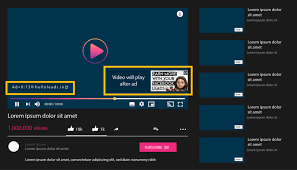
Youtube non skippable video ad specs are the foundation that determines whether an ad is approved, displayed stably, and preserves the viewing experience. Since users are required to watch the entire content, every element—from length, format, and audio to aspect ratio—is scrutinized more strictly by the system compared to skippable formats. Youtube non skippable video ad specs are not just formal requirements; they directly impact CPM costs, distribution scalability, and the consistency of the message across each viewing session. If set up incorrectly, videos are prone to restricted visibility or unstable distribution, even if the creative content is high quality. Therefore, let RentAds guide you to master the technical aspects before discussing content strategy or budget.
The Golden Standard for youtube non skippable video ad specs
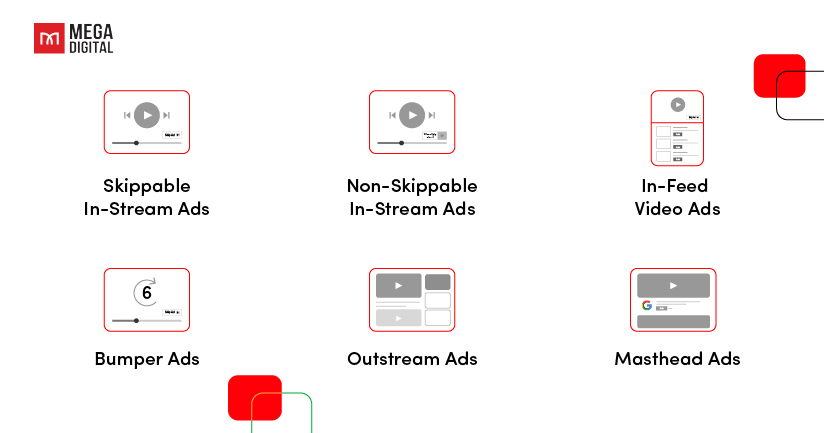
In Google’s advertising ecosystem, the non-skippable format acts as a “direct arrow,” helping businesses deliver their full message without worrying about user interruptions. However, because viewers are required to watch the entire video, the platform sets extremely strict technical standards. Adhering to these golden standards not only helps your ad pass moderation quickly but also ensures an optimal visual and auditory experience for customers, thereby minimizing annoyance and increasing brand recall.
Core Specifications and Standardized Format Requirements
To ensure ads appear sharp across all devices—from mobile phones to smart TV screens—advertisers must pay close attention to input technical metrics. Regarding duration, the standard regulation is typically a maximum of 15 to 20 seconds for personal devices; however, for campaigns targeting the TV experience, this duration can extend up to 30 seconds. To ensure smoothness, the top-priority file format is MP4, although the system still accepts other standards such as MOV or MPG (MPEG-2/MPEG-4).
Visually, the minimum resolution must reach 1080p (1920×1080) to avoid pixelation on large screens. Depending on the campaign, you can flexibly choose an aspect ratio of 16:9 (traditional horizontal), 9:16 (vertical for Shorts and mobile), or 1:1 (square for feeds).
Notably, the audio system must be processed clearly and achieve high-quality standards, as this is the element that retains users throughout the mandatory 15 seconds. If integrating interactive components, note the character limits: Headlines should not exceed 15 characters and the Call-to-Action (CTA) button should not exceed 10 characters to ensure full display without being truncated on the user interface.
Targeting Strategy and Bidding Mechanism
Unlike skippable formats, non-skippable ads are specifically designed for brand awareness and reach. Since viewers are forced to consume the entire content, your message needs to be edited concisely, placing the most valuable details in the very first seconds.
Regarding the financial mechanism, this ad type operates based on a Target CPM (tCPM) model, meaning businesses set an average bid they are willing to pay for every 1,000 impressions. A technical point to note is that this format does not apply the TrueView billing mechanism (charging only when 30 seconds are watched) due to its non-skippable nature.
Instead, every time an ad starts playing and appears on the user’s screen, the system records it as a successful impression. This helps campaign managers easily forecast reach scale and frequency based on the planned budget, optimizing market coverage in the shortest time.
Optimizing Visual Experience and Conversion Rates
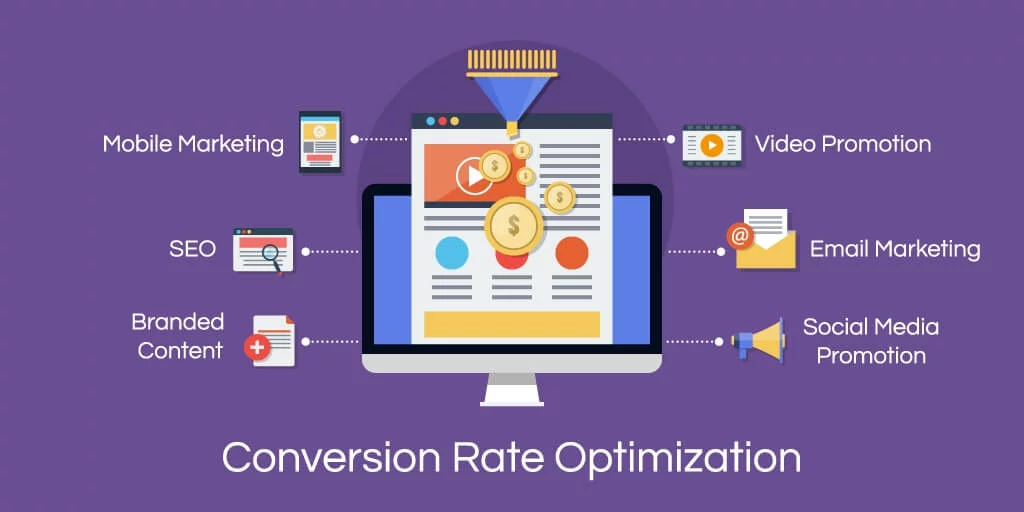
The way an advertiser thinks about image layout and the arrangement of graphic elements within the frame directly determines whether viewers truly remember the brand or simply skim past it. The harmonious combination of sight and sound not only increases aesthetics but is also the key to improving conversion rates, turning passive views into specific purchasing actions.
Safe Zones for Graphic Content and Core Messages
One of the most common mistakes leading to in-stream ad failure is placing important information in technical “blind spots.” The safe zone is the critical area where YouTube interface elements—such as the “Skip Ad” button (if applicable to other formats), channel avatars, video titles, or progress bars—cannot obscure your content.
To optimize this experience, you must ensure that important text, brand logos, and especially the CTA are centered on the screen, occupying about 80% of the core area. Staying away from edges and corners ensures your message displays fully on all devices, from large TVs to smartphones with long screen ratios, helping users easily grasp information and convert without being hindered by the platform’s functional buttons.
The Strategic Role of Audio and Text Support
Unlike social networks where sound is often muted while scrolling feeds, YouTube is a platform where up to 95% of users actively turn on sound. This requires advertisers to invest in professional audio quality, from emotionally stimulating background music to inspiring voiceovers. However, an optimal strategy must include the presence of subtitles or supporting text on the screen.
Integrating subtitles not only helps Google’s algorithm understand the content more deeply for accurate distribution but also serves as a “lifesaver” to reach users watching in quiet environments or public places where speakers cannot be used. The combination of vivid audio and visual text creates a dual impact on the senses, helping the brand message stay engraved and increasing the chances of a customer response.
Optimizing Video Layout Based on New Interface Changes
YouTube continuously updates interactive components like buttons, navigation bars, and channel info, which inadvertently creates technical “blind spots” on the screen. If advertisers do not proactively calculate the layout during post-production, core messages or valuable CTAs may be completely obscured, leading to a waste of budget. Mastering the display space is a strategic step to optimize brand presence.
Identifying “Blind Spots” in Fixed Interface Positions
In reality, YouTube’s default control elements often occupy and obscure about 20% of the frame area. Specifically, in the bottom-right corner, the system always prioritizes displaying the “Skip Ad” button (for other formats) along with a countdown timer. If you place a logo or contact info here, it will be completely hidden as soon as the ad starts.
Similarly, at the very bottom of the screen, the progress bar and video title frequently appear, especially on mobile. To fix this, you need a strategy to “push” text lines or subtitles up at least 10% to 15% from the bottom edge. Do not ignore the top-left corner, which usually displays the business channel avatar and name. Avoiding placing secondary messages or decorative icons in this area ensures visual clarity.
Applying the “80% Layout” Rule
To ensure the ad message displays fully across all screen sizes—from handheld smartphones to 4K TVs—advertisers should apply the “80% Layout” rule as a golden standard in production.
A professional tip here is to imagine a virtual rectangle surrounding the center of the screen, occupying about 80% of the total area. This is the “absolute safe zone” where all brand logos, key character faces, and especially the CTA text must be contained.
Limiting key elements to the center helps protect content from aspect ratio changes when the system automatically adjusts for different devices. Meanwhile, the remaining 10% of empty space at each edge (top, bottom, left, right) should be reserved for backgrounds or secondary patterns that do not contain critical information. This approach not only makes the video look professional and balanced but also creates a necessary visual “breathing space,” helping viewers focus entirely on the main message.
Contact Info
Information about “Youtube non skippable video ad specs” hopes to provide you with additional necessary knowledge. At Rentads, there is a team of highly qualified and experienced staff and experts who will provide facebook agency ad account rent as well as support when you run Facebook ads. Contact us via phone number.
Frequently Asked Questions
Focus on the Brand Lift metric instead of direct clicks or conversions. You should perform post-campaign surveys provided by Google to measure ad recall and brand consideration. If viewers can repeat your brand name after the mandatory 15 seconds, that is the true success of this format.
Not recommended. The core goal of this format is brand awareness. Because viewers are “held captive,” they are usually in a mindset of waiting for the video to end rather than clicking a CTA to fill out a form. If you want to acquire leads, you should use “Skippable In-stream” or “Video Action Campaigns” as they are optimized for those who are genuinely interested and choose to stay.

