Youtube trueview non skippable
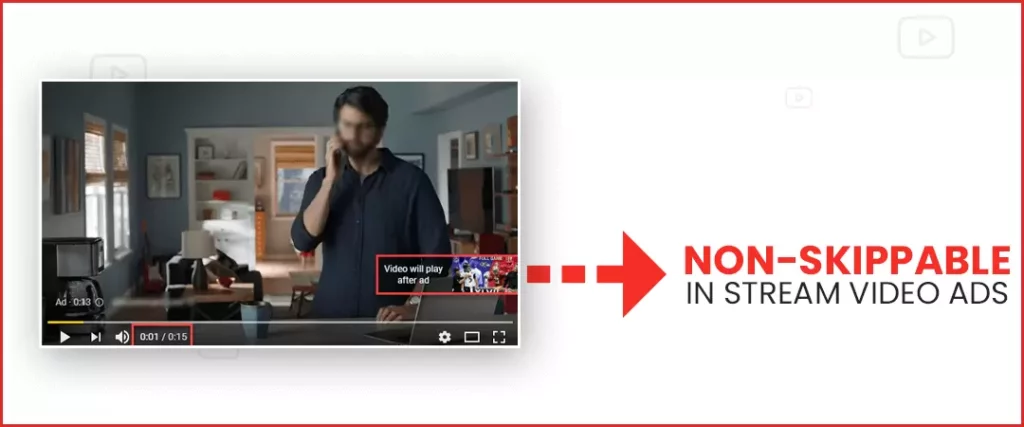
If your goal is to optimize the budget and increase video conversion rates, grasping technical standards is the first step that cannot be overlooked. In today’s advertising system, the youtube trueview non skippable format plays a pivotal role in helping brands maintain a continuous presence in the minds of customers. However, for the message to truly reach viewers without causing impression waste, you need a systematic strategy to optimize visual parameters and content.
In fact, youtube trueview non skippable ads require strict adherence to duration and safe zones to ensure an uninterrupted user experience. Understanding these challenges, in this article, let’s join RentAds in exploring the latest technical specifications and practical tips to help your campaign achieve peak efficiency. Rentads will decode how to make your video not only pass system filters but also truly attract clicks from users.
Youtube trueview non skippable in the Video Advertising System
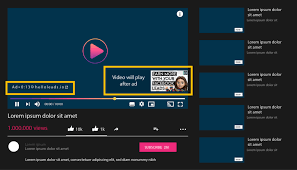
In YouTube’s video advertising ecosystem, youtube trueview non skippable holds a “unique” position because its display method and audience reach mechanism are completely different from familiar formats. To understand why this format is prioritized in brand awareness campaigns, it is necessary to analyze its display nature, timing of appearance, and core differences from skippable TrueView.
The Mandatory Display Nature of the Format
Youtube trueview non skippable is a video ad format that forces viewers to watch the entire content before proceeding to the main video. The core of this format lies in the absence of a “Skip” button, meaning the advertising message is always delivered in full. Therefore, youtube trueview non skippable is often chosen by brands when they need to ensure message coverage in a short time, especially for product launches, brand repositioning, or large-scale communication. However, due to this “mandatory” nature, requirements for video content are stricter—from editing pace and visuals to the opening message—to avoid causing annoyance to viewers.
Timing of Ad Insertion in the Viewing Stream
In the YouTube video ad system, non-skippable ads usually appear in high-attention positions, most commonly before the main video starts (pre-roll). In other cases, ads may be inserted during the video (mid-roll) for long-form content, while still following the non-skippable principle. Appearing directly in the viewing stream ensures this format is almost certainly seen, unlike out-of-stream display forms. However, this also requires advertisers to carefully calculate duration, frequency, and display context to avoid excessive disruption to the user experience.
Differences from Skippable TrueView
Compared to skippable TrueView, youtube trueview non skippable differs most clearly in the viewer’s control mechanism. With skippable TrueView, users have the right to decide whether to continue watching or skip after the first few seconds, while the non-skippable version is the opposite. This leads to differences in usage goals: if skippable TrueView is suitable for measuring interest and organic interaction, then youtube trueview non skippable focuses heavily on brand awareness and message recall. Additionally, costs and technical requirements between the two formats vary, making each suitable for different advertising strategies rather than being interchangeable.
Technical Conditions Determining Distribution Capability
In YouTube video advertising, distribution capability depends not only on budget or targeting but is also strongly influenced by the video’s technical conditions. If a video does not meet system requirements, the ad may be restricted, distributed slowly, or not run at all.
Duration Limits and Display Frames
Video duration is the first factor directly affecting eligibility for distribution. Each ad format on YouTube has its own duration frame; for example, non-skippable ads are usually limited to short windows, while skippable formats allow longer durations but still need to optimize the opening. If a video exceeds the threshold allowed for the chosen format, the system will automatically exclude it from distribution. Besides duration, the display frame is an often-overlooked factor. Videos must adhere to common aspect ratios like 16:9 for landscape screens or 9:16 for mobile devices. Using an inappropriate frame can cause content to be cropped, layouts to display incorrectly, or user experience to decline, indirectly affecting distribution performance.
Requirements for Image and Audio Quality
Image and audio quality are mandatory criteria, no longer just “nice-to-have” factors. Ad videos must meet YouTube’s minimum resolution standards, typically HD 720p or higher, with clear images free from excessive blur, pixelation, or shaking. Low-quality videos are usually rated poorly by the system regarding experience, leading to restricted display or higher distribution costs. Regarding audio, ads must ensure clear sound without cracking, distortion, or heavy background noise. Volume that is too low or too high negatively impacts the viewer experience. In many cases, sub-standard audio leads to negative user feedback, reducing the ad video’s overall quality score.
Video Status and Embedding Rights
An important but often underestimated technical factor is the video status on the YouTube channel. Videos used for ads must be in a valid Public or Unlisted state, and cannot be set to Private. If the video status changes during the campaign, distribution may stop immediately. Additionally, embedding rights are a mandatory condition for video distribution across the YouTube network. Videos with embedding disabled or restricted by region or age will significantly reduce display reach. In some cases, the system still allows campaign setup, but there will be almost no actual distribution, wasting time and budget if not checked carefully from the start.
Practical Application in Brand Campaigns
In branding campaigns on YouTube, choosing the right ad format affects not only brand recall but also how viewers perceive the message. With mandatory formats like youtube trueview non skippable, the value lies not in telling a long story, but in the ability to “imprint” the brand in an extremely short time.
Suitability for Fast Awareness Goals
Youtube trueview non skippable demonstrates its strength most clearly when the main goal is to increase brand awareness in a short period. Since viewers are forced to engage with the ad in the first few seconds, the logo, brand name, brand colors, or core message have the opportunity to appear fully without interruption. In practice, this format is often used at the top of the marketing funnel for market announcements or product launches.
When to Prioritize This Format
The non-skippable format should be prioritized when the budget is allocated for brand coverage rather than direct conversion optimization. Campaigns running alongside TVC, OOH, or social branding often utilize this ad type to synchronize messages and increase frequency. Additionally, when a brand has a strong creative concept that is recognizable from the very first frames, this is the time to deploy.
Cases Requiring Careful Consideration
Despite offering high coverage, youtube trueview non skippable is not always the optimal choice. For campaigns requiring detailed product explanations or specific calls to action, this format can be counterproductive due to its short duration and the user’s “forced-to-watch” psychology. If the video content is not captivating from the first second, the ad can easily create a negative impression of the brand.
Contact Info
We provide services google account for rent nationwide, and with a team of experienced and qualified staff who both support advertising and can directly perform Facebook advertising if you need. Contact us via phone number.
Frequently Asked Questions
Absolutely. Although users cannot skip the video, they can still click the CTA button, companion banner, or info cards that appear on the screen to access the website immediately. However, because the display time is short, you should place the CTA starting from the 5th second and keep it fixed until the end.
Although the limit is 15-20 seconds, the YouTube algorithm calculates based on total frames and actual duration down to the millisecond. If your video is 15.1 seconds, the system may automatically categorize it as a skippable ad. To be safe, you should export the video at 14.9 seconds or 19.9 seconds to ensure a perfect match with Google’s technical filters.

