Facebook money transfer fee
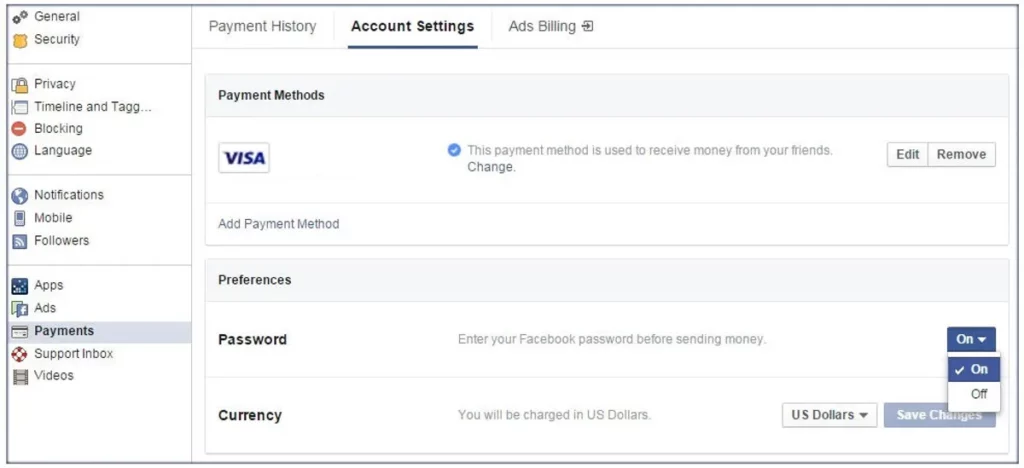
For advertisers and businesses operating within Meta’s ecosystem, the facebook money transfer fee is often a headache-inducing factor that directly erodes budgets if not calculated carefully. Fluctuations from banks along with local tax policies are making ad payment fee schedules more complex than ever. Let’s join RentAds in exploring the operational mechanism of the facebook money transfer fee, thereby finding optimal solutions to cut down on unnecessary intermediary costs.
Factors Affecting the Facebook Money Transfer Fee
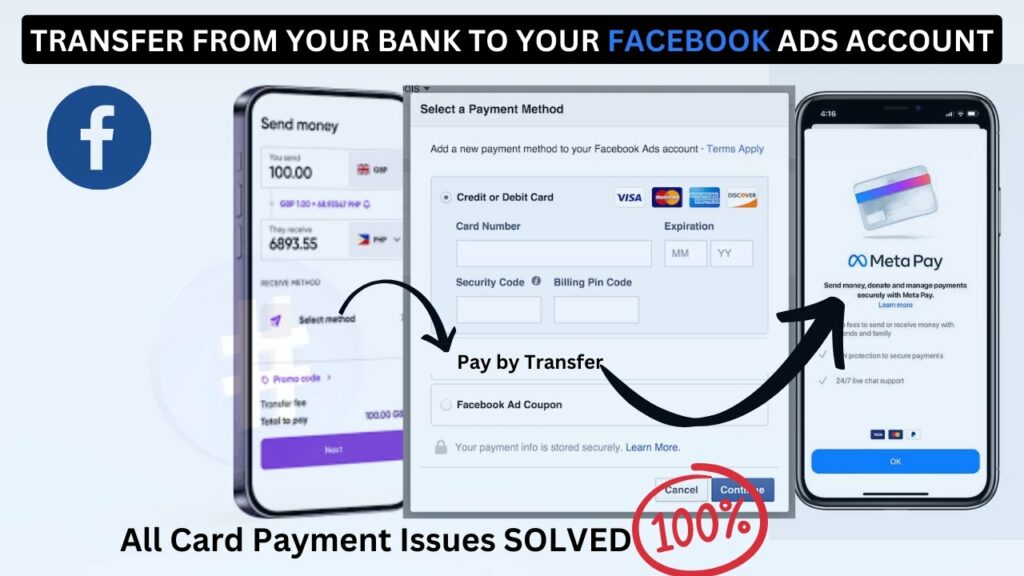
When running ads on Meta’s system, the fees incurred during the payment process are not merely fixed numbers but vary based on many technical and geographical variables.
Payment Methods
Each payment method comes with a different intermediary fee structure, often fluctuating depending on agreements between Meta and international financial institutions. Choosing an inappropriate payment tool can lead to “fee-on-fee” situations, especially with cross-border transactions.
- Credit/Debit Cards: This is the most popular method, with processing fees usually bundled into the issuing bank’s exchange rate. Networks like Visa or Mastercard may apply international transaction fees ranging from 1% to 3% if the ad account currency differs from the card currency.
- PayPal: A flexible option but often carries a higher facebook money transfer fee because PayPal applies its own foreign exchange conversion fees and service charges. However, its high security and dispute-handling capabilities make it a priority for many businesses.
- Bank Transfer: In some developed markets like the US or Europe, linking a bank account directly can help minimize intermediary fees, but it requires strict authentication processes and longer transaction processing times.
Account Types
The fee structure also shows a clear differentiation based on the classification of the account the business is using. Meta separates payment systems to suit the scale and credibility of each business entity.
Personal Accounts: Usually incur higher fees as they do not enjoy tax incentives or bulk discounts. Additionally, personal accounts are often limited in choosing postpaid payment methods.
Verified Business Accounts: Have the opportunity to access monthly invoicing. This helps businesses group many small transactions into a single payment, thereby significantly reducing the per-item transaction processing fee.
Transaction Region
The geographical location where the account is registered and where the issuing bank operates plays a decisive role in the application of tax regulations and conversion fees. In today’s flat world, Meta strictly complies with global digital tax agreements.
Value Added Tax (VAT/GST): In many regions, an additional 5% to 20% fee is collected based on total ad spend if the business does not provide a valid tax ID. For example, transactions in the EU or some Asian countries often have this tax rate applied directly to the billing invoice.
Currency Conversion Fees: If the budget is in USD but uses a card issued in a country using Euro or Japanese Yen, the bank will charge an extra conversion fee. This facebook money transfer fee often does not appear in the Ads Manager but will show up directly in bank statements.
Transaction Value
The scale of the advertising budget directly affects the fee proportion of the total investment capital. A smart payment strategy should consider the Billing Threshold to optimize costs.
If a business sets a low billing threshold (e.g., $25 or $50), transfer orders will occur continuously. Each transfer often comes with a fixed fee or a minimum fee from the bank, which inadvertently increases the fee percentage per advertising unit.
When raising the threshold to $500, $1,000, or higher, the number of transactions decreases, helping businesses save significantly on administrative and processing fees from the banking system. Understanding and controlling these factors not only clarifies cash flow but is also an important stepping stone for businesses to implement large-scale campaigns sustainably.
Operating Mechanism of Money Transactions on the Facebook Platform
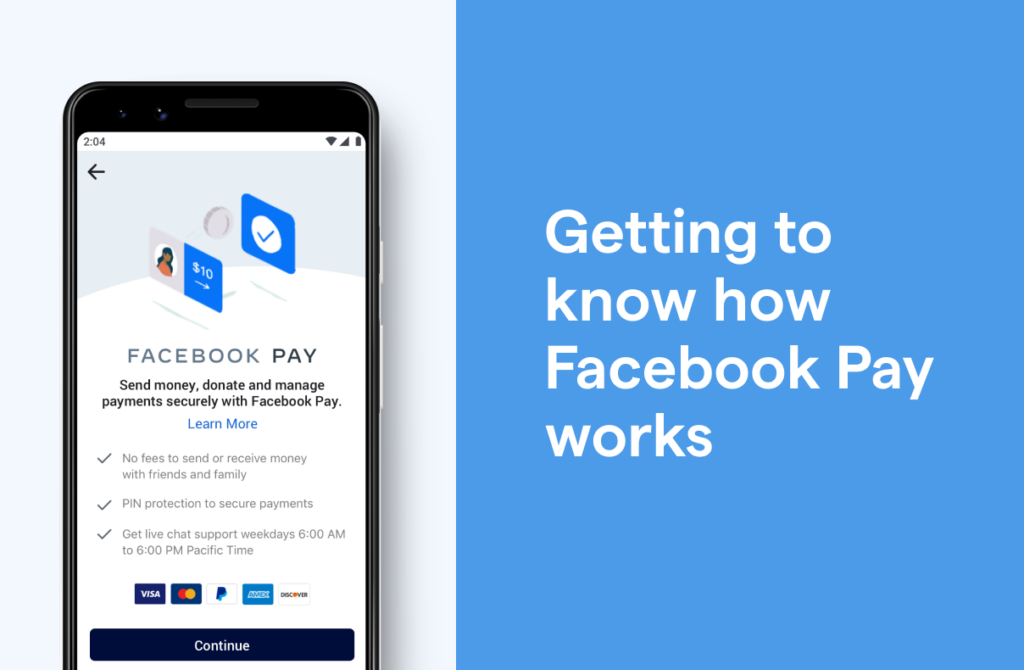
Financial activity within Facebook’s ecosystem has evolved from simple ad payment orders into a complex digital transaction network. With the birth of Meta Pay and integrated cash flow management systems, the platform serves not only marketing payment purposes but also operates as an e-wallet and commercial payment intermediary system.
Forms of Money Transfer
On an international scale, currency transactions on Facebook are standardized through two main mechanisms: internal service payments (B2P/B2B) and peer-to-peer transfers (P2P). This is the most common form, operating in two modes:
- Prepaid: Businesses deposit a fixed amount (e.g., $500) into the ad account before deploying campaigns.
- Postpaid: Meta allows ads to run first and automatically deducts funds when costs reach a certain Billing Threshold, such as $25, $50, $250, or up to $750 and higher for high-credibility accounts.
Via Meta Pay integrated directly into Instagram Shopping and Facebook Marketplace. Instead of directing to an external website, customers pay right within the app. Meta Pay acts as a “security layer” storing card information, allowing payments with just one tap. In some key markets, users can send USD directly to friends or businesses through chat windows just like sending a message, supported by partners like PayPal or linked banks.
Applicable Subjects
Metas transaction system is designed to serve two main groups with distinct financial needs:
- Advertisers and Businesses: Focus on managing large budgets and optimizing ROI. They often use Meta Business Suite to control outgoing cash flows. For large corporations, Meta also provides monthly invoicing—a form of credit line allowing spending first and total payment after 30 days.
- Creators: Unlike businesses, creator cash flow is mainly inflow. Meta makes payments through programs like Reels Play Bonus, Stars, or In-stream ad revenue. These payments are usually summarized periodically and transferred to the creator’s bank account or PayPal once the minimum threshold of $100 is reached. This separation of subjects helps Meta apply appropriate security algorithms and fee schedules for each purpose.
Scope of Use
Although Meta is headquartered in the US and uses USD as the preferred payment currency, the scope of its financial system covers nearly 200 countries. However, features and mechanisms are differentiated by region:
- Priority Regions (US and EU): Have the earliest access to features like full Meta Pay, P2P transfers in Messenger, and the latest monetization pilot programs.
- Global Markets: Most countries can make ad payments using international cards (Visa/Mastercard). Meta also flexibly integrates local payment methods in each country to reduce entry barriers for small businesses.
- Financial Partner Network: Meta does not directly hold users’ money like a bank. Instead, they partner with world-leading payment processors to ensure all transactions comply with Anti-Money Laundering (AML) and Know Your Customer (KYC) regulations in each territory.
Types of Facebook Money Transfer Fees
Controlling the facebook money transfer fee requires administrators to master the fee structure from the platform, the issuing bank, and international financial regulations to avoid unexpected budget deficits.
Basic Fees
Basic fees are generally understood as fixed or percentage-based charges applied to each successful transaction. In most markets using USD as the primary currency, Meta does not directly collect a “service fee” on each deposit.
Processing fees by international payment gateways or banks usually range from 1.5% to 3.5% of the total transaction value. For large invoices, this figure can reach hundreds of dollars per month.
If an ad account is set in a currency other than USD but paid with a USD card (or vice versa), the bank will apply its own exchange rate, usually 1% to 2% higher than the free market floor rate. Some international e-wallet methods apply a flat facebook money transfer fee (e.g., $0.30 – $0.50) for each successful transfer, which disadvantages accounts with low billing thresholds.
Incurred Fees
In addition to obvious fees, businesses often face “hidden” costs arising from specific regulations or operational errors.
- Digital Service Taxes: In many jurisdictions, Meta is required to collect additional VAT or GST (ranging from 5% to 20%) if the business does not provide valid tax ID information.
- International Transaction Fees: Usually occur when the card-issuing bank is in a different country than the Meta legal entity processing the payment. This fee ranges from 0.5% to 1.5% depending on Visa/Mastercard policies.
- Penalties: Some banks or payment intermediaries may charge a penalty fee if your account is rejected multiple times due to insufficient balance or card errors, negatively impacting the ad account’s credit score.
Market Variations
The fee structure is never fixed but always fluctuates according to financial agreements and Meta’s policies in each region. In 2026, the shift in digital currency regulations and cross-border taxes has created new precedents:
- Local Tax Policies: Countries are increasingly tightening control over Big Tech platforms, leading to ad invoice tax rates trending upward over the years.
- Local Currency Priority in Emerging Markets: To minimize dependence on USD and exchange rate fluctuations, Meta has begun applying local currency payment schedules in some regions, helping businesses avoid bank foreign exchange conversion fees.
- Stablecoin Integration: Some new trials allow payments using USD-pegged stablecoins, opening prospects for a facebook money transfer fee of nearly zero in the near future.
Closely monitoring periodic notifications from Meta Business Suite is the only way for businesses to timely adjust their payment strategies in line with these changes.
Contact Info
Information about “Facebook money transfer fee” hopes to provide you with additional necessary knowledge. At Rentads, there is a team of highly qualified and experienced staff and experts who will provide google ads account for rent as well as support when you run Facebook ads. Contact us via phone number.
Frequently Asked Questions
The standard is 5% for each order valued over $8. For small orders under $8, the fixed fee is $0.40. This is the cost to maintain payment infrastructure, security, and built-in customer support in the app. Businesses should calculate this fee into the product cost or take advantage of “zero-fee” promotions Meta often launches for new shops or during holidays.
Yes. According to Foreign Contractor Tax regulations, all ad payment transactions on Facebook are subject to an extra 5% VAT. This amount will be added directly to your billing invoice, whether you use Prepaid or Postpaid methods.

