Outstream video ads YouTube
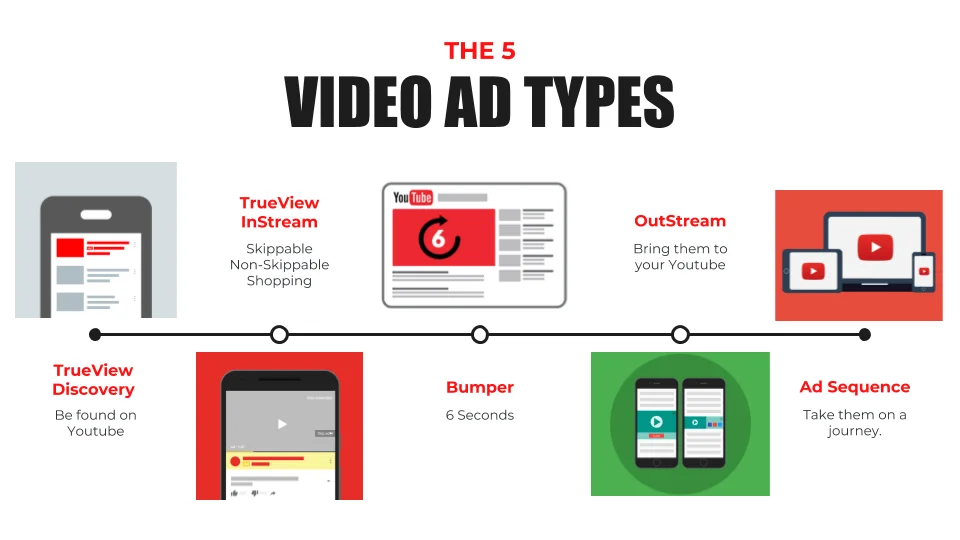
Outstream video ads YouTube open up opportunities to reach viewers beyond the traditional content scope, helping brands appear in diverse placements across partner websites and apps. When deploying Outstream video ads YouTube, brands not only leverage expanded traffic but also control the level of visibility based on actual user behavior. This format provides a natural experience for viewers because the video only plays when it appears in the viewport, while also offering detailed measurement data on interaction and average view rate. A clear understanding of the operating mechanism helps advertisers consider appropriate budget strategies and content design to achieve maximum effectiveness.
Expanding Reach of Outstream Video Ads YouTube
When considering how to expand display reach, this format allows brands to move beyond the boundaries of the traditional viewing ecosystem.
Outstream Video Ads YouTube
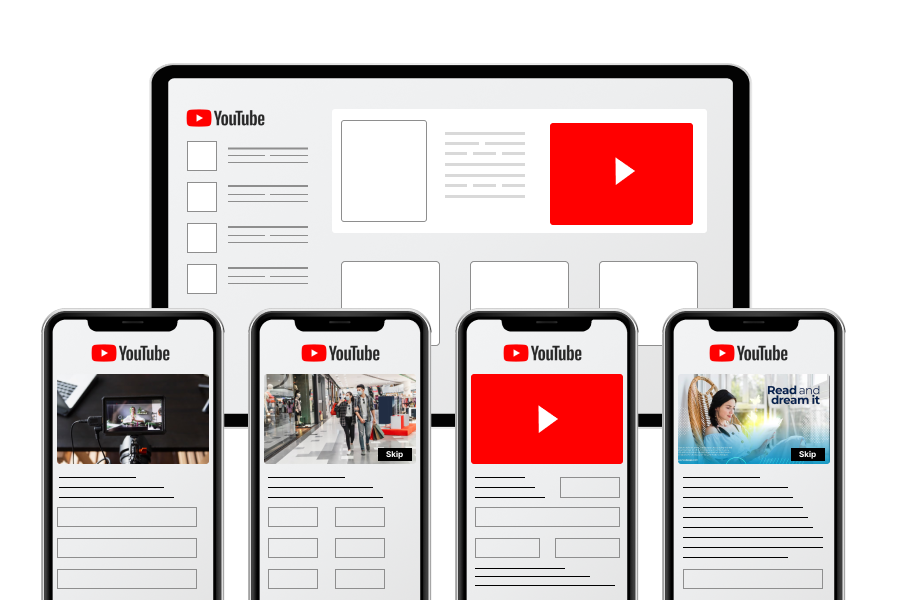
This format is designed to appear on websites and apps within the partner network, where users interact in various contexts without needing to open a video on YouTube. It is independent of the traditional viewing environment, suitable for users who continuously scroll or read content. The content is optimized for the mobile experience and is often short, which reduces friction when approaching new viewers.
The key feature of this format lies in its mechanism to auto-play when visible to the user, thereby increasing the potential for attention in the first few seconds. The system also prioritizes usability and compatibility with the page layout, limiting disruption to the experience flow. Furthermore, the pricing model based on actual view rate helps optimize reach costs without wasting budget on ineffective impressions.
Regarding classification, this format often includes versions of videos that auto-play when they appear in the viewport and videos that expand according to the device’s layout size. Some platforms also support vertical or square versions to suit mobile viewing habits. Despite differences in size, all aim to create a smooth and non-obtrusive experience.
Outstream YouTube Appearance Mechanism
When distributing Outstream video ads YouTube, the system relies on actual visibility signals to determine when to play. The video only auto-plays when it appears in the section of the screen the user is currently seeing, avoiding counting irrelevant views. This ensures you only pay for instances where the viewer genuinely has a chance to be exposed to the content. The system also adjusts the playback frame size to fit the display environment, from news feeds to reading content frames. This distribution method helps avoid loss of context and maintains a natural feel when users interact on mobile devices.
Advantages of Outstream Video Ads YouTube
The first advantage lies in the broad display reach, as the ad is not confined to YouTube but extends to the entire partner network. This is particularly suitable for brands needing to increase awareness among viewer groups who are difficult to reach through traditional video content. The cost mechanism, based on qualified views, helps ensure that costs accurately reflect the actual value of reach. This provides proactive budget management and eliminates the risk of spending on impressions that hold no value. Finally, the ability to appear smoothly in various reading, scrolling, or interactive contexts makes this format suitable for campaigns that need to expand while maintaining an optimal user experience.
Engagement and Attractiveness of Outstream
The attractiveness of Outstream heavily depends on how users react to the video in the first few seconds. Since the ad appears outside the YouTube environment, the diversity of context is higher, and viewer behavior is more dispersed. This is why it is necessary to deeply analyze how users interact to understand why there are high view counts but the average watch time differs between display groups. From there, we move on to the factors that determine viewer retention.
Click Format, Auto-Mute Sound
Outstream typically plays without sound initially; viewers need to tap the video to activate the sound. This makes clicks an important signal to differentiate between active interaction and passive scrolling. When the number of people who turn on the sound is high, the system deems the content engaging enough to push for wider distribution. Conversely, if viewers scroll past before sound activation, the average view rate clearly decreases.
Assessing Attractiveness and Subsequent Distribution
The algorithm relies on the time the video appears in the viewport, basic interaction levels, and screen-scrolling behavior to decide whether the ad should continue to be distributed to similar groups. When the video maintains attention in the opening segment, the system understands that the content is relevant to the current display context and continues to expand the reach. If signs of reduced interaction occur continuously across multiple sessions, the algorithm tightens its scope to avoid wasting impressions on less interested groups.
Behaviors That Increase Viewer Retention
There are three types of behavioral signals that often create strong changes in Outstream performance.
- The speed at which viewers stop scrolling, because if they slow down even by half a second, the likelihood of continued viewing significantly increases.
- The rate of zooming in or tapping the video, indicating active awareness of the message.
- The moment users begin to scroll down the page, reflecting a pause in the level of attention.
When these signals are consistently maintained, the ad is likely to achieve a higher watch time and increase its opportunity for wider distribution in subsequent cycles.
Limitations of Implementing Outstream Video Ads YouTube
When assessing the suitability of Outstream video ads YouTube, it is important to understand the natural constraints of this format. Since the ad appears outside the main content, viewing behavior will be significantly different from the traditional YouTube environment. Analyzing the display context, attention level, and potential for conversion into action helps avoid running ads for the wrong objective or spending beyond the capacity to deliver real value.
Risk of Attention Loss When Appearing Outside Main Content
Outstream video ads YouTube operate in the display space located on partner websites and apps. This creates an unstable level of attention because viewers are often not actively seeking video but are scrolling through other content sections. The fact that the video only plays when it appears in the viewport reduces wasted impressions but does not completely eliminate the risk of users instantly scrolling away. The display context is also not uniform, so the level of concentration will fluctuate significantly depending on the specific page. If the content is not engaging in the first few seconds, the likelihood of the viewer skipping is almost certain.
CPV Cost and View Quality
The CPV (Cost Per View) cost creates a direct link between view quality and budget. If viewers only stop for a very short duration, the system may still record a valid view, depending on the time threshold in each market. This can lead to cost increases without a corresponding value gained. Campaigns often face the situation where the CPV is low but the interaction quality is poor because viewers are not focused enough to absorb the message. A clear understanding of every signal the system uses to evaluate view quality will help protect data and avoid misunderstandings about overall performance.
Adjusting Budget Based on Actual Viewer Feedback
When viewer feedback is unstable, the budget should not be kept constant during the initial phase. Outstream video ads YouTube often need a few days for the system to clearly understand the appropriate display environment, which is when the real engagement level can be measured. During this time, slightly lowering the budget helps limit the risk of noisy data while still maintaining enough impressions for the model to learn.
Additionally, the average view rate should be monitored to spot early anomalies, such as a sharp drop in watch time or distribution skewed toward a few single pages. Once the signals stabilize, the budget can be increased in small steps to expand the scope without distorting the distribution model.
Contact Info
You need a Facebook advertising account but don’t know any reputable provider. Coming to Rentads is where you will experience what you need google account for rent prestige, high trust, and professional consulting and service support for customers.
Frequently Asked Questions
Because creative quality is only one part. If it appears in an inappropriate context or during a fast scrolling flow, even a good video will struggle to hold attention long enough to be effective.
If the watch time decreases across all placements, the cause is the creative. If it only decreases on a specific group of pages, the cause lies in the context.

