Overlay ads in YouTube
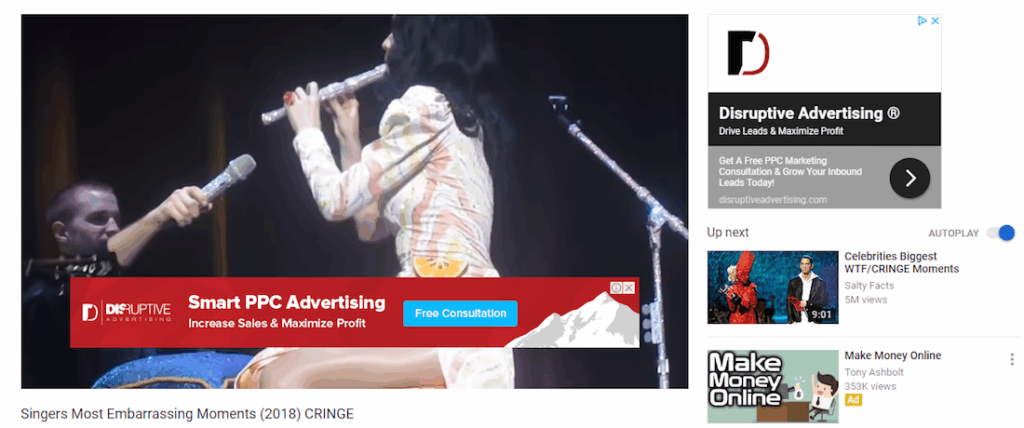
Overlay ads in YouTube are becoming a familiar choice for brands that want to appear precisely when the viewer begins to interact with the platform. When the ad appears in the overlay position, users are not forced to watch but are still easily attracted by the image, title, or call-to-action. Consequently, overlay ads in YouTube create a natural space for engagement, where the content truly becomes effective only when it is compelling enough to make the viewer pause for a few seconds. With this type of approach, brands are forced to invest in concise, clear, and consistent storytelling to retain attention in an environment where every scrolling action happens very quickly.
Overlay Ads in YouTube Create a Natural Reach Space

Overlay ads in YouTube offer a subtle way to appear while still being compelling enough to attract viewers when they are focused on the main content. Because they are positioned right at the bottom of the video, this format does not cause interruption but creates a delicate touchpoint. Viewers are not forced to interact, so any click or moment of pausing to read the information reflects genuine interest. This helps businesses acquire a relatively clean and relevant data source when evaluating initial intent. With the advantage of flexible display and not taking up the entire screen, overlay ads are a worthwhile choice for campaigns that want to initiate the awareness journey without pressuring the user.
Characteristics of Overlay Ads
When stepping into a detailed analysis, overlay ads clearly demonstrate neatness in their display structure. The banner’s position is fixed at the bottom of the screen and only appears when the video is playing. This allows the message to be naturally integrated into the viewing context, rather than being squeezed between content. The content is usually a static image combined with short text, enabling viewers to quickly identify the message without much reading.
Some notable characteristics include:
- The banner is located below the video to avoid affecting the experience.
- The content is visual, not requiring viewers to process too much information.
- Viewers have the right to click or close it, creating an environment for voluntary interaction.
- Only displayed on desktop, suitable for a group of users with longer and more focused viewing habits.
- Serves to increase interaction or redirect to a landing page when needed.
- The cost is usually based on the pay-per-click model, creating clarity in measurement.
With such a structure, overlay ads are both subtle and impactful enough to lead viewers to the next action without being intrusive.
Benefits for Businesses
Overlay ads create numerous benefits when a brand wants to appear in the right place and at the right time without taking up the entire viewing space. By appearing simultaneously with the main content, the ads easily reach groups of viewers who are focused and have a better chance of brand recall. Because they do not cause interruption, viewers rarely react negatively, helping the business maintain goodwill.
Another advantage is that the display cost is calculated per click, so the business only spends money when the viewer is genuinely interested. This is great for campaigns testing messages or assessing the relevance of target groups without having to pay a large fee like with stronger video formats.
Furthermore, overlay ads are suitable for tasks such as:
- Increasing initial awareness without annoying the viewer.
- Driving traffic to the product page with a short and sharp message.
- Supporting the main video campaign when the brand wants to appear at multiple touchpoints within the viewing session.
- Creating an additional display layer to expand reach without having to change the entire strategy.
Thanks to their flexibility and controllable cost, businesses can use overlay ads as a bridging tool between awareness and interaction, making the viewer journey more seamless.
Conditions for the Overlay Format to Maintain Reach Quality
For overlay ads in YouTube to be effective, it is important to understand the factors that determine reach quality. Quality is not only based on impressions but also depends on viewer behavior, content relevance, and visual standards.
Active Viewing Sessions vs. Quick Browsing Sessions
An active viewing session is when a user stops to search for or watch a specific video. In this environment, the likelihood of receiving an overlay ad is higher because the viewer is focused and intends to interact. Conversely, a quick browsing session occurs when users scroll through multiple pieces of content without stopping. In these sessions, the opportunity for the overlay ad to attract attention is significantly reduced. Therefore, the distribution system will prioritize appearing in sessions with high concentration signals.
Viewer Retention Signals Play a Key Role
Viewer retention signals are a crucial factor that helps brands assess the ad’s attractiveness. When viewers stop and interact with the ad for at least a few seconds, the algorithm records this as a positive signal and prioritizes distributing the ad in similar placements. Understanding this signal helps optimize campaigns, especially in a continuously fluctuating display environment where user behavior changes from session to session. Retention signals are particularly important in the following situations:
- Campaigns with large budgets: Even with remaining budget, ads without retention signals will not be prioritized for display, leading to wasted potential.
- Fragmented viewing sessions: When viewers quickly scroll through multiple videos, retention data helps determine which ads are capable of attracting attention even with short watch times.
- Behavioral changes over time: During different hours of the day, user concentration levels change, and retention signals help the system adjust distribution appropriately.
Without retention signals, the system will reduce distribution, resulting in a low performance despite having an available budget. Conversely, when data on retention behavior is fully accumulated, the ad will maintain stable visibility, while also improving the interaction rate and brand awareness effectiveness. Monitoring and analyzing retention signals helps brands know which ads are truly engaging and adjust content accordingly to increase appeal.
Content Relevance
The relevance between the ad and the video content is a key factor determining the display probability on YouTube. When viewers are consuming content that matches the ad message, the algorithm prioritizes distribution to increase the likelihood of interaction. Conversely, if the ad does not match the video’s topic or style, the system tends to de-prioritize it, leading to fewer impressions. Some factors that directly affect relevance include:
- Video topic and ad topic: If the ad content accurately reflects the viewer’s current interest or need, their attention probability increases significantly.
- Title and thumbnail: Eye-catching visuals, clear, and concise titles help viewers immediately recognize the connection to the video, thereby increasing the click-through and retention rates.
- Context and timing of appearance: Ads that appear precisely when viewers are searching for or exploring relevant content will feel natural, increasing the display probability.
- Style and pacing: Consistency in visual style, transition speed, and message delivery pace helps viewers feel that the ad blends into the video, thereby reducing the likelihood of being skipped.
Furthermore, relevance is reinforced by historical behavioral data. The algorithm analyzes previous views to identify compatible interests, thereby prioritizing distribution to potential user groups. When the above factors are harmoniously combined, the ad not only increases the probability of display but also improves interaction quality and message recall.
Image and Title Quality
Sharp images, balanced colors, and concise, compelling titles are the foundation for the ad to expand its reach. An ad with poor image quality or an unappealing title will reduce the likelihood of appearing in multiple placements. Conversely, when meeting the quality threshold, overlay ads in YouTube can reach a wider group of viewers, thereby building a foundation for increasing brand awareness and improving campaign results.
The above factors interact with each other and determine the overall performance. Focused viewing sessions, retention signals, content relevance, and image/title quality all need to be optimized simultaneously for the overlay format to maintain sustainable reach quality.
How to Place Overlay Ads in YouTube

Overlay ads in YouTube appear directly over the video that the viewer is watching, creating an opportunity to capture attention without interrupting the experience.
Ads on Your Channel
If you are a channel owner, you can enable overlay ads directly for your videos through YouTube Studio. The process is quite simple but requires attention to ensure effectiveness:
Step 1: Go to the Video Management section in YouTube Studio and select the video you want to enable overlay ads for.
Step 2: Choose the “Edit Ad Settings” option and determine the appropriate ad type.
Step 3: You can enable overlay ads for the entire video or select specific time segments to increase the likelihood of attention without disrupting the viewer experience.
Step 4: Monitor display and interaction metrics to adjust settings if necessary, thereby optimizing campaign performance while maintaining a smooth experience for viewers.
Google Ads Advertising
To run overlay ads on other channels, you need to use the Google Ads platform. This is a more professional approach, allowing ad distribution based on specific objectives, budget, and target groups. The basic steps include:
Step 1: Create a new campaign in Google Ads and select the appropriate objective, for example, brand awareness or video engagement.
Step 2: Select the overlay ad type to ensure the video displays on channels relevant to the target audience.
Step 3: Configure the budget and set bids based on CPM or CPV, depending on your strategy. You can aim for broad reach or optimize for quality views.
Step 4: Monitor ad performance through display metrics, click-through rate, and watch time to adjust the campaign. Analyzing real-time data helps increase campaign effectiveness and better control the budget.
Contact Info
Are you in need of Facebook advertising or need to rent a quality Facebook advertising account? Don’t worry! Rentads is a unit specializing in providing reputable Facebook accounts, as well as direct advertising support. Provides all types of advertising accounts such as google ads agency account for rent to help you reach and create fast conversions.
Frequently Asked Questions
Yes, but display settings need to be configured based on duration and frequency to avoid causing annoyance.
Prioritize audiences with a high interaction history and adjust the appearance time to increase effectiveness without increasing cost.

