Skippable in stream ads length
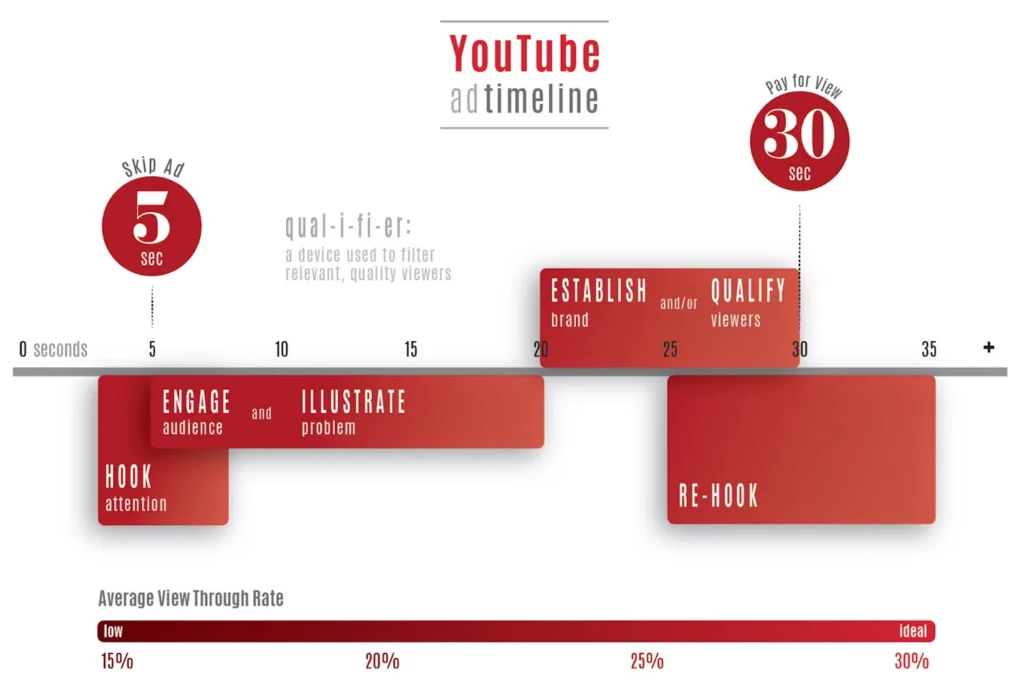
Skippable in-stream ads length represents a seemingly familiar format yet possesses a much more complex operating mechanism than conventional ad types. When viewers are given the power to decide within the first few seconds, every detail, from content structure and engagement signals to distribution methods, directly affects whether they choose to continue or skip. This makes skippable in stream ads length a distinct component in video strategy, where brands must balance initial appeal with the quality of sustained experience. Although skippable, this format still provides broad reach and cost optimization if implemented correctly, especially when it aligns with viewing behavior per session and the relevance between the ad and the original content.
Skippable In stream Ads Length: Core Operating Mechanism
Skippable In-stream Ads have become one of the most popular and effective video ad formats on online video platforms, especially YouTube. The success of this format stems not only from its ability to reach a large number of users but also from a unique operating mechanism that balances the interests of advertisers and the viewer experience. This mechanism operates on the principle of choice and performance, allowing users to control their watch time while ensuring advertisers only pay for views and interactions that generate real value.
Key Features
Skippable in-stream ads are designed with a clear set of rules to optimize effectiveness and minimize viewer annoyance. These characteristics form the foundation for how the ads are distributed, the user experience, and the business model behind them. The most prominent element of this ad type is the autonomy it grants the viewer: Viewers can skip the ad after 5 seconds of display. This 5-second interval is considered the golden time for advertisers to capture attention and deliver the opening message. If the content is not compelling enough within those 5 seconds, the viewer has the right to press the skip button, allowing them to continue watching the main video without prolonged interruption. The payment model for skippable ads is designed to ensure fairness for the advertiser, only charging when the ad truly generates value. This is a dual mechanism, based on watch time and interaction:
- Payment based on Watch Time (CPV): You pay when the user watches 30 seconds or the entire video (if the video is shorter than 30 seconds). This ensures that costs are incurred only when viewers dedicate a significant amount of time, indicating a certain level of interest in the message.
- Payment based on Interaction: You also pay when users interact with the ad (e.g., click a link, call-to-action button) even if they haven’t watched for 30 seconds. This highly values immediate conversion actions.
The Non-Charge Principle: If the viewer skips the ad before the payment condition is met (before the 30-second mark or before interaction), you will not be charged. This encourages advertisers to create compelling content to overcome the initial 5-second skip threshold. Technically, the skippable in-stream ads length is quite flexible, with a minimum of about 12 seconds and a maximum of around 3 minutes (sometimes up to 6 minutes). This length allows advertisers to tell a detailed story, fully showcasing the product or service. Regarding display position, the ad can appear at three key moments in the user’s viewing experience:
- Pre-roll: Appears before the main video.
- Mid-roll: Appears during the main video (typically for longer videos).
- Post-roll: Appears after the main video. Due to the long nature and a payment model focused on genuine interest, this format is highly suitable for campaigns aiming to increase brand awareness, build a deep image, and convert potential customers. It allows for detailed presentation of products, brand stories, and benefits in full.
Comparison with Non-Skippable Ads
To highlight the advantages of skippable ads, comparing them with the “Non-Skippable In-stream Ads” format is necessary. The core difference lies in viewer control and the strategic priority of the advertiser, creating two entirely different approaches. Skippable in-stream ads address a major problem in online advertising: annoyance. Allowing viewers to exit the ad if uninterested is a key factor in reducing negative experience. If a viewer chooses to stay and watch, it signifies consent and genuine interest, increasing the quality of the view. Conversely, non-skippable ads (usually a maximum of 15 seconds in Vietnam) require viewers to watch the entire ad duration. The advantage of this format is the guarantee that the message is fully conveyed 100% to the viewer. However, the accompanying risk is that viewers may feel annoyed by being forced to watch, leading to brand antipathy. This mechanical difference leads to a difference in usage goals:
- Skippable Ads: Suitable for conversion/consideration goals and building Deep Brand Equity. They focus on persuading those who already have an interest.
- Non-Skippable Ads: Suitable for extremely high brand awareness goals with a simple, powerful message that needs to be seen in a short time, regardless of the viewer’s intention.
Reasons Why Long Skippable In Stream Ads Length Still Delivers Results
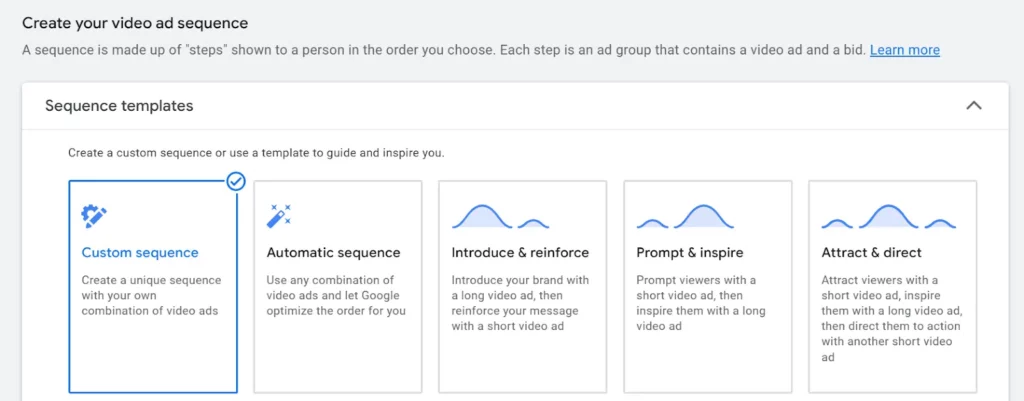
The unique mechanism of this ad type transforms the 5-second challenge into an opportunity to filter the audience and focus resources on the most potential viewers. Below are the core factors explaining why this ad format not only survives but thrives.
When Long Viewing Sessions Open More Retention Opportunities
The key factor that drives the effectiveness of the long skippable ad is the viewer’s voluntary acceptance. When a viewer decides not to press the “Skip Ad” button after the first 5 seconds, they have implicitly made a commitment of interest. This creates a higher quality long viewing session. While non-skippable ads are usually only 15 seconds long and compulsory, skippable in-stream ads length allows the advertiser dozens of extra seconds, or even a few minutes, to tell a complex story, explain product benefits in detail, or build a deep emotional connection. This is a precious time to convert a random viewer into a potential customer, precisely because they have demonstrated their willingness to receive information.
The Role of the Opening Hook
The opening hook is the soul of the skippable ad, determining whether the viewer stays or not. The first 5 seconds are not just a technical barrier but also a demanding content test. An effective ad in this format must use these 5 seconds to create a compelling “shock” or an irresistible promise. This hook can be:
- Dramatic Conflict: Presenting a problem or an unexpected situation.
- Clear Value: Immediately introducing the core benefit of the product.
- Curiosity Principle: Starting with a question or a perplexing image. If the hook is successful, it triggers a feeling of “Unsatisfied Curiosity,” making the viewer want to stay to see the resolution or the conclusion of the story. Therefore, the ad cost (CPV) is only incurred for viewers who have passed this initial test.
The Content Drop Point Helps Reduce the Exit Rate
Although the first 5 seconds is the skip threshold, viewer behavior shows that they usually do not press the button immediately but tend to wait a few more seconds to make a final decision. The period from the 6th to the 10th second is a crucial “buffer zone” that advertisers must maximize. This is when the ad needs to reach the content drop point. After delivering the hook in the first 5 seconds, the ad immediately needs to provide evidence, unfold the story, or confirm that the upcoming message will solve the viewer’s problem. Maintaining coherence and increasing appeal in this buffer zone is key to reinforcing the viewer’s decision. By making the subsequent content more valuable than continuing to watch the entertainment video, the advertiser can significantly reduce the rate of viewers who decide to press the exit button.
Conversion Potential
The CPV payment model of skippable ads is built on performance. When viewers voluntarily overcome the 5-second barrier and continue watching to the 30-second mark (or the entire video), they become a high-commitment view. For advertisers, this is an opportunity for conversion:
- Increase Brand Awareness: The long watch time helps reinforce the message and increases memorability.
- Increase Click-Through Rate: Viewers who voluntarily stay are more likely to interact with the Call-to-Action (CTA) buttons that appear throughout the video.
- Retargeting Audience Filtering: Those who watch for more than 30 seconds are the highest quality audience group to include in the retargeting list, as they have shown clear interest and dedicated significant time to the brand.
Contact Info
You need a Facebook advertising account but don’t know any reputable provider. Coming to Rentads is where you will experience what you need google account for rent prestige, high trust, and professional consulting and service support for customers.
Frequently Asked Questions
Pre-roll ads are typically less effective because viewers are in a state of high anticipation and have not yet formed any commitment to the main content; immediate interruption is likely to cause annoyance and a higher skip rate. Conversely, Mid-roll ads appear when viewers are already committed to the main video (having watched a portion), making them more inclined to be patient.
The Skip button is an effective cost filter rather than a barrier. Viewers who click skip before 30 seconds have self-selected themselves out of the billed audience group, helping the advertiser save budget from ineffective interactions. Conversely, viewers who pass the 5-second threshold and continue watching are those who voluntarily confirm their interest, significantly increasing the quality of the billed views. Therefore, the budget focuses only on those who have demonstrated interest, optimizing the return on investment (ROI) by filtering out annoyance.

