Skippable TrueView ads

Skippable TrueView ads have created a rather unique engagement mechanism where viewers have the power to decide whether to stay or leave after just the first few seconds. This very proactivity forces brands to build content that is compelling, clear enough, and hits the need immediately. When utilized correctly, skippable TrueView ads become an enormous advantage because you only pay for views that are genuinely interested. This opens up flexible testing space, from the opening approach and delivery pace to the relevance between the ad and the original video context. For campaigns that require control over interaction quality, this format provides natural screening ability and helps brands better understand the viewing motivation of each user segment.
The Mechanism That Drives Viewers of Skippable TrueView Ads

In a video ecosystem where viewers always have numerous choices, skippable TrueView ads create a special state of reception. Viewers are not forced to watch the entire ad, so they approach it with a much more proactive mindset than with compulsory formats. This very mechanism forces the platform to constantly evaluate signals from viewing behavior to determine the distribution level, and simultaneously compels advertisers to carefully consider how to construct the message within the first 5 seconds.
Skippable TrueView Ads
This format is a form of video advertising that allows viewers to skip the ad after the first 5 seconds. The video can appear before, during, or after the main content, with a maximum duration typically ranging from 15 to 60 seconds, depending on the market and campaign objective. The minimum effective skippable TrueView ads length often falls between 12 and 20 seconds, as this is sufficient to convey the main message without causing fatigue. In most cases, the platform charges based on intentional views, meaning you only pay when the viewer chooses to continue watching past the 30-second mark or finishes the video if it is shorter in duration. Therefore, the focus of the format lies in the viewer’s self-selection ability, creating a natural screening of interest level.
The Decision to Continue or Skip Happens in the First Few Seconds
The first few seconds act as the behavioral dividing point. Viewers often make decisions extremely quickly based on initial signals. Some directly influencing factors include:
- The relevance between the opening visual and the content they are watching.
- The clarity of the message from the very first sentence.
- The sense of continuity between the ad and the original video topic.
- Personalization or suggestion of immediate benefits. When viewers do not perceive value, they skip instinctively because they have the choice. This is why the first 5 seconds are considered the critical zone that shapes the entire quality of interaction.
Signals the Platform Collects
The platform doesn’t just track skip or continue actions. The system assesses the level of interest through various signals to predict the interaction potential of each viewing session. Some important signals include:
- Time spent paused on the frame after 5 seconds.
- Speed of seeking or switching content immediately after skipping.
- Watch rate up to the 25%, 50%, and 75% marks.
- Compatibility between viewing history and the ad topic.
- Frequency of interaction with previous ads. By aggregating these signals, the platform can classify user groups with high viewing intent, thereby prioritizing more displays for appropriate segments. This is how the algorithm maintains distribution performance in long-running campaigns.
Skip Rate Alters Distribution Levels
The skip rate not only reflects the content’s appeal but is also a crucial indicator for the algorithm. When the skip rate increases sharply in a short period, the platform views it as a signal that relevance is decreasing. This leads to reduced distribution in similar viewing sessions to limit display waste. Conversely, when the deep watch rate is stable or increases day-by-day, the system expands distribution to user groups with similar behavior. Typically, distribution changes occur when:
- The skip rate exceeds a threshold defined by the system for each industry.
- The relevance of the original video changes in the viewing session.
- Users demonstrate a tendency for shorter watches over a certain period. By understanding the relationship between the skip rate and distribution capability, advertisers can proactively adjust creative content or campaign structure to maintain stable performance throughout the implementation process.
Implementation Methods to Keep Viewers Longer
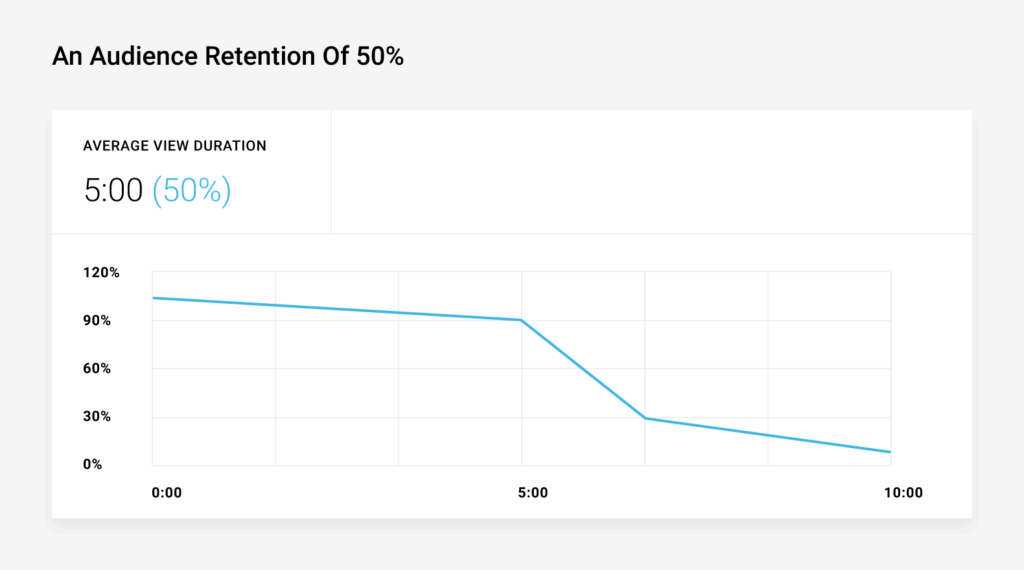
Retaining viewers from pressing skip requires the content to create a reason to stay within the first few seconds and maintain a continuous flow of information. This is the foundation when deploying skippable TrueView ads, as viewers always have the right to exit at any time. When the opening is strong enough, the delivery pace is harmonious, and the message is presented concisely yet clearly, the ad is capable of overcoming the strongest skip point and retaining the truly interested audience group.
Executing a Strong Opening
The opening is the decisive phase because viewers make the choice to stay or exit within the first 1–3 seconds. An effective opening does not need to be complicated, but it must create a clear signal about what they are about to see. Popular implementation methods include making the main subject appear early, creating a strong enough visual action or highlight, and setting the context with guiding dialogue or imagery. If the opening lacks power or hides important information, viewers will skip immediately because they do not recognize the value. Conversely, when the opening clearly positions a benefit or sparks curiosity, the likelihood of them continuing to watch increases significantly.
Content that Facilitates Quick Recognition
After retaining the viewer past the first few seconds, the delivery pace becomes the factor that sustains attention. Pace is not just the editing speed, but also how the information flow is organized so that viewers grasp the main idea without struggling to decipher it. An effective pace occurs when the video provides a new signal every few seconds, combining dialogue and visuals that align, and avoids changing too quickly to cause eye fatigue. If the pace is too slow, viewers will feel the ad lacks focus; if too fast, they can become overwhelmed and skip. Maintaining an appropriate pace creates the condition for them to continue watching until the middle of the video, where the intent to leave has sharply decreased.
Conciseness in the Message
Conciseness in the message is the determining factor for viewers to maintain attention and watch the full skippable TrueView ads length. Concise here does not mean short, but rather clear, non-redundant, and not forcing the viewer to guess. A strong message typically revolves around one main benefit, presented with simple language and directly supportive visuals. By avoiding secondary details or overly long sentences, the content becomes easy to understand and memorable. This helps qualified views increase because viewers perceive the content as coherent, non-fatiguing, and meeting their initial expectations. Conciseness also helps increase the effectiveness of transmission in a highly competitive context, where every second carries decisive value.
Contact Info
Are you in need of Facebook advertising or need to rent a quality Facebook advertising account? Don’t worry! Rentads is a unit specializing in providing reputable Facebook accounts, as well as direct advertising support. Provides all types of advertising accounts such as google ads agency account for rent to help you reach and create fast conversions.
Frequently Asked Questions
This difference stems from the context of content consumption. When the ad appears before a long video, viewers tend to be more patient. Conversely, before short videos or quick entertainment content, users generally skip more aggressively. Furthermore, the algorithm also adjusts the display frequency based on the viewer’s interaction history with similar ads, causing the same opening to elicit distinctly different reactions across placements.
A concise message is only effective when it retains relevance and emotional flow. If the message is over-abbreviated, the video may lose context, leading viewers to not understand why they should continue. Additionally, uncontrolled shortening can eliminate important touchpoints that help the algorithm assess relevance. The result is that the ad is less distributed to the audience group most likely to watch to the qualified threshold, causing performance to decline even if the structure appears “leaner.”

