TrueView ad formats
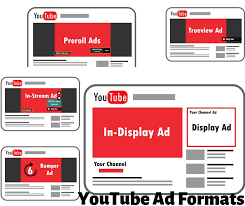
To enhance the quality of video distribution and proactively control costs, many advertisers are shifting focus toward mechanisms that allow viewers to self-determine their level of interaction. Among these, TrueView ad formats become a suitable choice thanks to their ability to only charge when a view meets the qualification standard and the content is genuinely received. When setting the right objectives and maintaining a clear delivery structure, TrueView ad formats help businesses both preserve their budget and measure the actual reaction of each viewer group. This approach allows advertisers to accurately assess the value of each view while reducing the risk of wasted distribution on uninterested groups, thereby building more effective and stable video campaigns.
The Flexibility of TrueView Ad Formats
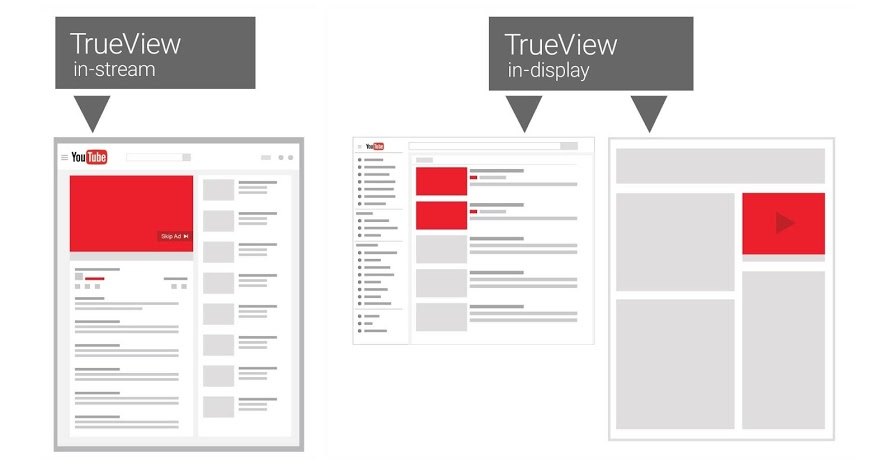
TrueView ad formats are designed to give viewers the autonomy to choose whether to continue watching or not, thereby ensuring the budget is spent on genuinely engaged interactions. TrueView consists of two main groups—in-stream ads and discovery ads—each operating in different contexts but both allowing advertisers strong control over cost and reach.
TrueView In-Stream
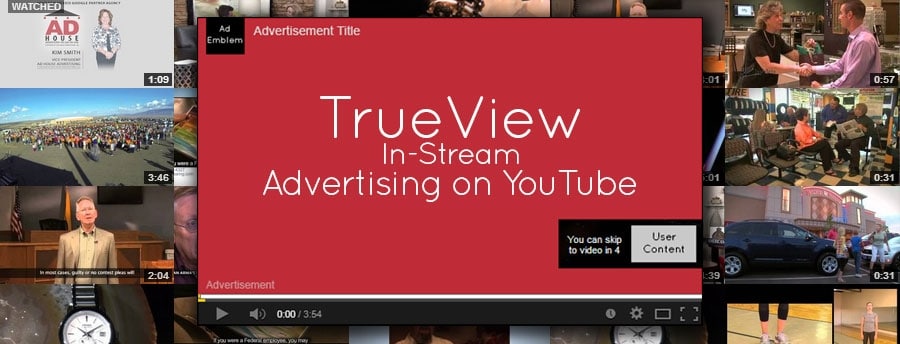
TrueView In-Stream is the ad that appears before, during, or after the main video content on YouTube and Google Display Network partners. Viewers can skip it after a few seconds, usually after the five-second mark. The ad video length is flexible, but the opening must be powerful enough to keep the viewer engaged. The advantage lies in its wide reach and direct appearance within the content stream, allowing the message to penetrate a moment of genuine attention. However, the limitation comes from the high skip rate if the opening lacks appeal or the message fails to address the core value directly. This type is suitable for objectives such as increasing brand awareness and detailed product introduction. Content that requires explanation, description, or storytelling also performs well in In-Stream due to the longer transmission space compared to short formats. Costs are calculated based on qualified views. The system only records a cost when the viewer watches for 30 seconds, watches the entire video if the video is shorter than 30 seconds, or performs an interactive action such as clicking.
TrueView Discovery
TrueView Discovery appears on YouTube search results pages, video suggestions, or watch pages. The ad takes the form of a thumbnail with a title, leading the viewer to the full video page when they choose to watch it. The video length is not strictly limited, making it suitable for long or in-depth content. The biggest advantage is that viewers voluntarily click, generating a higher level of interest and quality interaction rate. A limitation is that impressions may be lower than In-Stream in highly competitive industries or those with low search volume. Discovery is suitable for the objective of attracting viewers who are actively seeking information and encouraging them to explore the content. This is a good choice for channels needing to expand their base of loyal viewers and increase accumulated watch time. Costs are calculated per click on the ad that leads to the video page. Since payment is only made when the viewer chooses to watch, Discovery allows for good budget control and accurately reflects the viewing intent of each user.
Operating TrueView Ads for Better Control
To control a format with a large range of flexibility like TrueView, advertisers need to clearly understand how TrueView ad formats are interpreted and distributed by the system.
TrueView Ad Format Requirements
The following technical standards are the first point of contact between the video and the system, so they must be strictly adhered to. Failure in even one aspect can result in the video being ineligible for distribution or having its display restricted. The basic requirements include:
- Uploading the video to YouTube before running the ad so the system can correctly retrieve the source.
- Enabling embedding, allowing the video to display across the entire distribution network.
- Can be set to public or unlisted, as long as it is not age-restricted.
- Fully complying with Google ad policies, especially concerning visuals, claims, and sensitive information.
- No strict duration limit, but in practice, the system works best with videos from 12 seconds to 3 minutes.
- Title maximum of 25 characters; should be concise and clearly convey the core value.
- Video description includes a maximum of 2 lines, 35 characters per line. The description will not appear in suggested positions, so do not rely on it to convey crucial content.
Overall, this step is like laying the foundation. Doing it correctly from the start will ensure the subsequent setup process goes smoother, avoiding cryptic errors that prevent the campaign from running.
Setup Based on Actual Distribution Objectives
When moving to the campaign setup phase, the focus is not only on the nominal objective but also on how TrueView distributes based on market signals. This means advertisers must select the correct objective type based on the viewer’s status. If the goal is to increase qualified views, you should select objectives related to controlled reach and interest level. Conversely, if you want to drive conversions, prioritize audience groups with higher interaction behavior and optimize based on the desired event. A strong TrueView campaign typically consists of:
- A broad audience group to observe signals.
- A focused audience group based on specific behavior.
- A remarketing group to maximize quality views.
Adjusting the Message for Each Viewing Behavior Group
The interesting thing about TrueView is that each viewer group reacts differently at different time points. Therefore, advertisers cannot use a fixed message for the entire system. The main behavioral groups to note include:
- Viewers who skip ads very quickly: The opening segment must have clear value from seconds 0–3.
- Viewers who sample before deciding: Requires an even pace of information delivery, not too intense.
- Viewers who watch almost to the end: The content should lead into a CTA or the main value.
By refining the message based on these groups, the TrueView model will collect more quality signals, thereby reducing the cost per qualified view.
Monitoring Data to Maintain Qualified View Rate (VTR)
The key point to determine if a TrueView campaign is healthy or weak is the VTR – View Through Rate. This is the ratio of viewers who continue to watch a sufficient portion of the content or watch until the billing threshold. Maintaining a stable VTR requires reading the data as follows:
- If VTR drops sharply in the first 3 seconds, the problem lies in the opening.
- If VTR is stable but CPV (Cost Per View) increases, the audience group needs adjustment or the messaging approach needs to change.
- If VTR is good in the remarketing group but low in the new group, the content needs to be shortened or restructured.
VTR acts as an alert switch for TrueView, so advertisers only need to closely track this metric to control the majority of the campaign’s effectiveness.
Contact Info
Are you in need of Facebook advertising or need to rent a quality Facebook advertising account? Don’t worry! Rentads is a unit specializing in providing reputable Facebook accounts, as well as direct advertising support. Provides all types of advertising accounts such as google ads agency account for rent to help you reach and create fast conversions.
Frequently Asked Questions
Yes, if the content is strong only in the early stages but lacks the momentum to lead to the end. The system still recognizes interest but cannot force viewers to reach the qualified billing mark, causing a discrepancy between signals and actual results.
The solution is to maintain a unified content core and only vary the deployment layer based on behavior. This helps TrueView recognize the same core theme, ensuring stable accumulated signals instead of being split.

