TrueView bumper ads
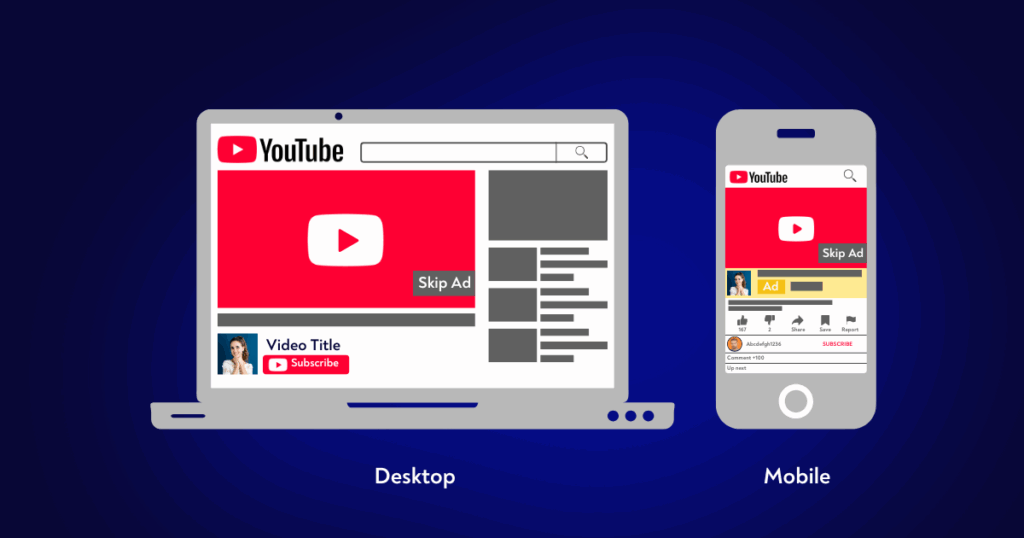
TrueView bumper ads offer a variety of distribution options that help brands control how they approach viewers at different stages. When implemented correctly, TrueView bumper ads not only help maintain attention at the opening but also create a strong enough flow of interaction for the system to assess quality. Operating this format requires a combination of content structure, delivery rhythm, and relevance to actual viewing behavior. Advertisers need to clearly identify the motivation that keeps viewers engaged, thereby adjusting the message to suit each audience segment. Continuous refinement based on data will help the campaign maintain stability and optimize distribution capability.
TrueView Bumper Ads in Proactive Acquisition Strategy
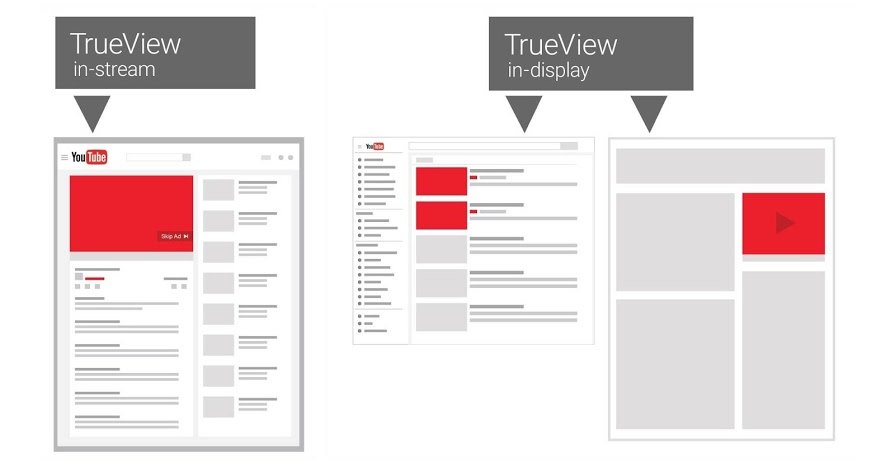
When incorporating TrueView bumper ads into the proactive acquisition process, the goal is not just to “appear at the right time,” but also to embed compelling attraction within the first few opening seconds. This type of ad compels viewer attention at the video’s premise, so every choice—from visual composition to message rhythm—needs to be weighed extremely carefully.
Creating an Opening Strong Enough to Draw Attention
Creating an opening with enough pulling power is always vital in TrueView bumper ads, as it must create a sense of being worthwhile to watch. Therefore, the first 3–5 seconds should focus on one of three directions:
- A clear exposition of a pain point.
- A benefit that directly addresses the viewer’s need.
- A visual or sound that creates immediate differentiation.
Here, creativity doesn’t need to be extravagant, just precise. The opening visuals must be sharp, the content concise, and avoid unnecessary detours.
Optimizing the Delivery Rhythm
Another crucial factor lies in the delivery rhythm. A rhythm that is too fast will prevent viewers from absorbing the information in time, while one that is too slow can easily decrease the level of concentration. With the bumper format, the optimal rhythm is built upon three points: prioritizing information layers, using clean cuts to limit visual lag, and employing reasonable transitions to maintain content coherence. Actual statistics show that most interaction drop-off occurs around the 6–8 second mark, when the message is not compelling enough or is not logically introduced. Optimizing the delivery rhythm is not aimed at creating intensity, but rather clarity, helping viewers receive information naturally and without interruption.
Coordinating the Message Appropriately
The effectiveness of TrueView bumper ads significantly depends on the ability to adjust the message according to viewing behavior. Viewers of educational content tend to respond better to clear and direct information. Viewers of entertainment content are better suited to lively visual rhythms and light dialogue. Meanwhile, those watching reviews or seeking product information often prioritize evidence, data, or real-life simulations. Effective message coordination means using the same core content but deploying it with different nuances, depending on the context in which the ad appears. When the message is consistent in content but flexible in presentation, the video does not feel “obstructive,” but becomes a seamless part of the user’s viewing experience. This improves the complete view rate, increases brand memorability, and contributes to enhancing the overall performance of the campaign.
Distribution Mechanism and How Brands Control the Viewing Journey
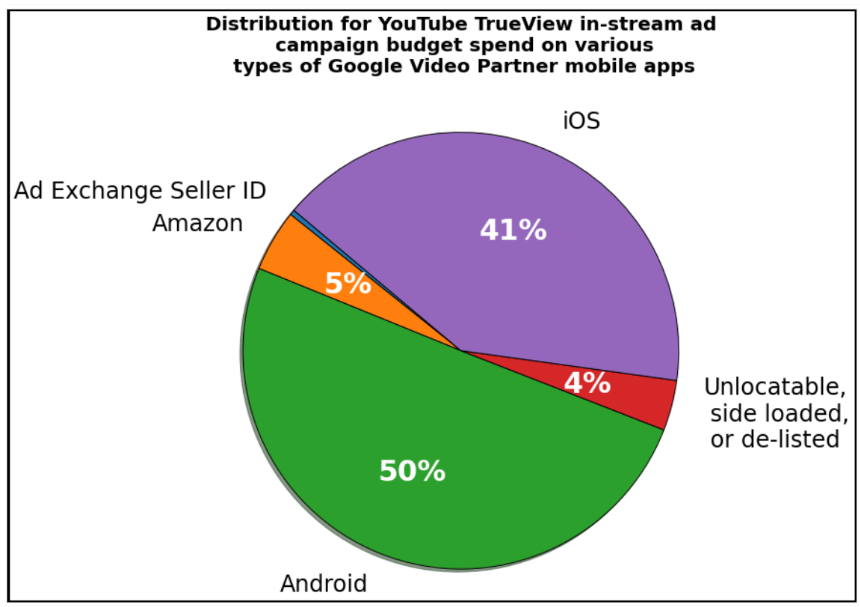
The distribution process is not random; it is built upon behavioral data, content relevance, interaction history, and the viewing context at each specific moment. Therefore, brands need to understand how these signals operate to arrange the message in the correct order of priority, ensuring every impression has a clear purpose. Once the access structure is established, the next step is audience segmentation, frequency control, and maintaining a sufficiently high level of quality for the algorithm to continue prioritizing distribution.
Segmenting the Audience by Familiarity Level
An effective video campaign must begin by segmenting the audience by their level of awareness and prior exposure to the brand. Completely new users need to be approached with brief, suggestive, and easily understandable introductory messages. Groups who have previously interacted or visited the website are suited for more detailed messages, focusing on core benefits or key differentiators.
For groups who have watched videos, added items to a cart, or shown clear signals of interest, the brand can deploy deeper, persuasive, or conversion-driving content. Segmenting by familiarity level not only helps the message become more relevant but also limits the wasted impression when users receive content that doesn’t correspond to their current stage. This operational model creates a coherent viewing journey, where each audience group is guided by a message appropriate to their readiness level.
Setting Frequency to Avoid Ad Fatigue
Frequency is a sensitive variable in video advertising. Too little will lack impact, too much will cause ad fatigue, reducing goodwill and making viewers avoid the brand’s content. To find the balance point, brands need to rely on distribution data over time, ad skipping behavior, and the trend of reduced interaction in each audience group. When setting frequency, the critical factor is not the absolute number of impressions, but the effectiveness of each view.
For unfamiliar groups, the frequency should be low, focusing on expanding reach. Once users show clear signals of interest, the frequency can be controllably increased to reinforce memory and encourage action. Conversely, if data shows a sharp increase in skip rate or a sudden decrease in watch time, it is a sign that the frequency needs to be reduced or the message needs to be changed. Controlling frequency not only helps maintain the quality of the viewer experience but also protects the budget, ensuring it is allocated to touchpoints with real value.
Maintaining Quality Signals Through Metrics
The distribution system always prioritizes content that exhibits good quality signals. Metrics such as View-Through Rate (VTR), average watch time, interaction rate, or relevance are used by the algorithm to assess the ability to meet viewer expectations. When a video maintains these metrics at a stable level, its distribution reach and display opportunities will be expanded. To maintain quality signals, brands need to continuously analyze viewing behavior to detect at which stage the content begins to lose performance.
This allows for adjusting the video structure, optimizing the opening, improving the delivery rhythm, or adding new versions suitable for specific audience segments. Simultaneously, monitoring daily and behavioral group changes helps the brand intervene promptly before distribution performance is curtailed. When key viewing metrics are maintained stably, the distribution roadmap will be kept in an optimal state, helping the campaign achieve greater durability, effectiveness, and consistent impact throughout the entire operating cycle.
Contact Info
We provide services google ads account for rent nationwide, and with a team of experienced and qualified staff who both support advertising and can directly perform Facebook advertising if you need. Contact us via phone number.
Frequently Asked Questions
Retention cannot be viewed as a single metric for all viewers. Each behavioral group—new users, users who have watched previous videos, prospects, those considering a purchase—has different content expectations. Refinement must occur according to the segmentation model. For new groups, the video should prioritize fundamental information and visuals with high recognition capabilities.
The brand needs to move to a deeper level of analysis by breaking down each video segment and measuring performance independently. This approach allows for detecting not only where viewers are lost, but also why they are lost—due to context, visuals, speed, or overly dense information. Additionally, A/B testing should be conducted across specific behavioral groups rather than the entire audience, to find the optimal version for each group. At a higher level, the brand can build “dynamic sequencing,” where content is rearranged based on actual viewing data.

