Paid ads shopee
Many campaigns drain budgets rapidly, yet the resulting order volume remains virtually zero. Fine-tuning paid ads shopee using keyword classification frameworks eliminates wasted clicks from non-converting browsers. Investing in paid ads shopee backed by data analytics concentrates your full resources strictly on high-intent buyer segments ready to check out. Strategic execution frameworks from RentAds establish a clear roadmap to scaling sustainable store revenue.
Formats of Paid Ads Shopee
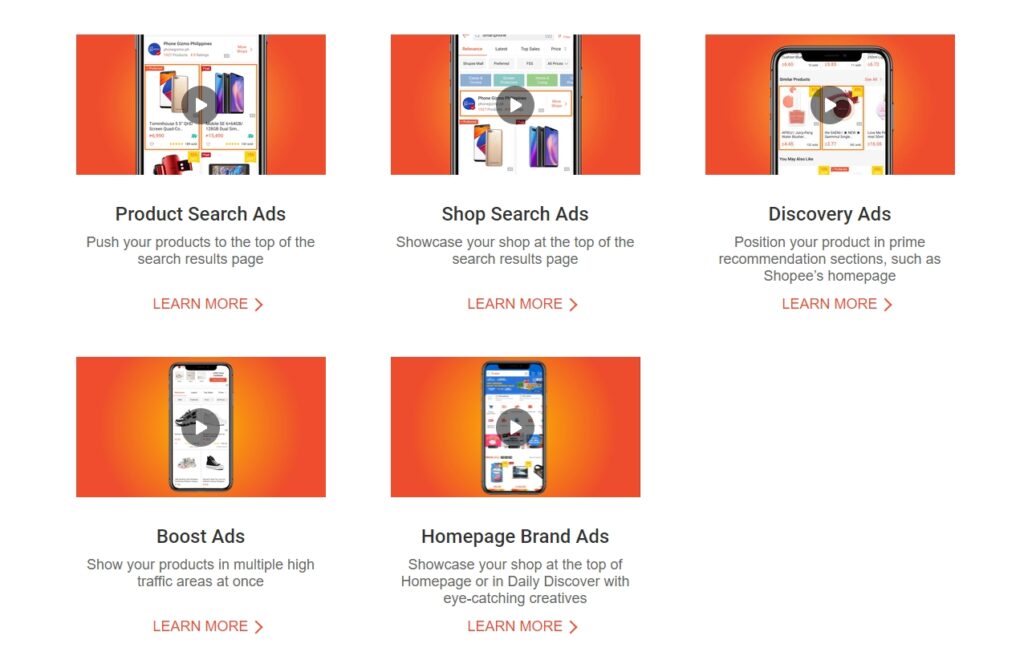
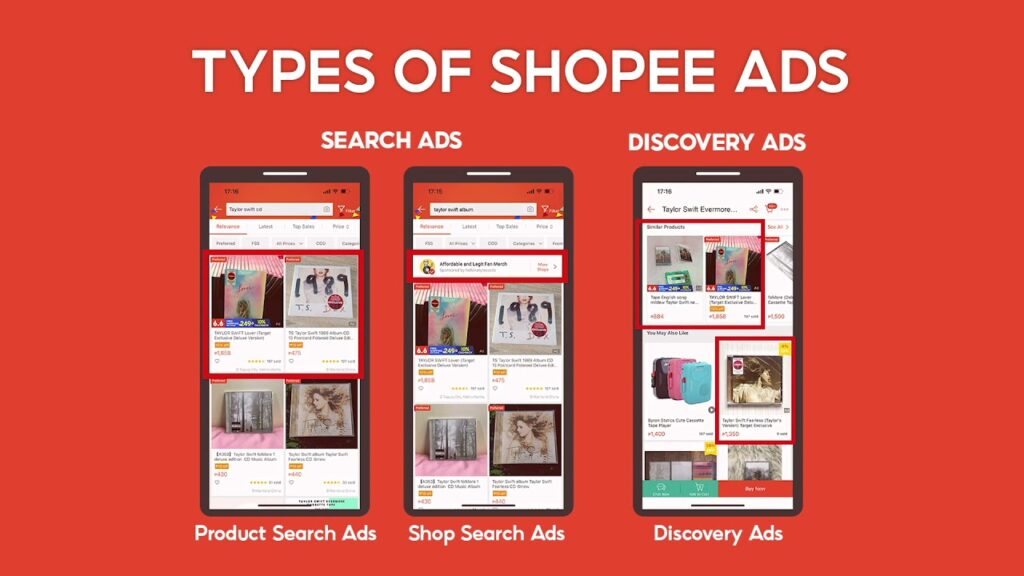
Shopee offers multiple advertising formats designed to engage customers at distinct stages of the buying journey. Depending on your primary campaign objective, you can target active searchers, comparison browsers, or shoppers who need broader brand exposure.
Product Search Ads Based on Shopping Keywords
Product Search Ads target buyers through explicit search queries. When a customer searches for a product, your ad appears in prominent spots within the search results, provided the product and campaign settings align.
This format works best for categories with clear purchase intent. Sellers should select precise product-related keywords while continuously tracking clicks, cost, and conversion rates to remove keywords that drain budget without yielding sales.
Discovery Ads
Discovery Ads present your products to users as they browse Shopee, even if they have not typed a specific query. These audiences are typically exploring related listings, comparing prices, reading reviews, or evaluating suitable options.
This placement is particularly effective for visually appealing items with clear competitive advantages. Thumbnails, price points, vouchers, and shop ratings heavily influence whether a shopper clicks when your product appears alongside similar recommendations.
Supporting Shop Ads
Shop Ads focus on putting your entire brand store front and center, rather than driving traffic to an individual listing. This approach is ideal when the objective is building store awareness and guiding users to explore your full catalog.
To maximize ROI from Shop Ads, maintain a cohesive store layout, clear category structures, and compelling flagship products. Once a buyer clicks, their on-page store experience determines whether they keep browsing or complete a purchase.
Keyword Research and Bidding Classification Strategies
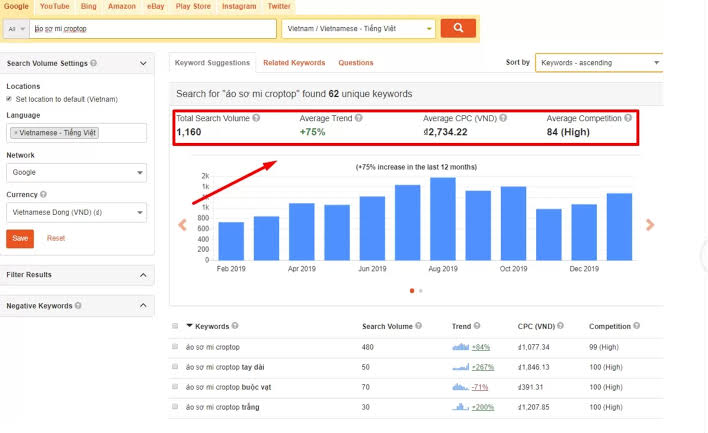
Not every high-search-volume keyword warrants dedicated ad spend. When running Search Ads on Shopee, classify keywords by commercial intent and track their sales generation capacity. This framework prevents high click volume from failing to translate into bottom-line revenue.
Segmenting Keyword Groups
Begin with core product names and terms buyers commonly use when searching, then expand into usage contexts. For instance, with sunscreen products, you can split keywords into:
- Direct Keywords: “sunscreen SPF50”, “sunscreen for oily skin”.
- Contextual Keywords: “beach sunscreen”, “non-comedogenic sunscreen”.
Track these two groups separately. Direct keywords target users with defined intent, whereas contextual keywords reach buyers looking for broader solutions. If working with a limited budget, prioritize high-converting direct keywords before scaling.
Keyword Selection Methodology
When managing extensive keyword lists, avoid bidding on terms strictly because they boast high search volumes. Analyze initial test campaign data to identify terms that genuinely deliver sales.
Consider this performance scenario:
| Keyword | Clicks | Orders | Assessment |
| sunscreen | 1,000 | 8 | High traffic, low conversion rate |
| sunscreen for oily skin | 350 | 15 | Strong performance |
| sunscreen SPF50 for oily skin | 180 | 14 | Top priority keyword |
In this case, long-tail terms with lower search volume generate higher conversion rates. Increase bids on high-converting phrases while reducing spend on high-click, zero-yield terms.
Negative Keyword Exclusion Techniques
After launching a campaign, review the actual search queries triggering your ads. Add phrases with low purchase intent or mismatched queries to your negative keyword list instead of paying for non-converting traffic.
For instance, a store selling authentic sunscreen might discover search queries containing terms like “DIY”, “free”, “clearance”, or completely unrelated product categories. If these queries generate clicks without generating orders, exclude them.
Avoid removing keywords based on a few non-converting clicks. Gather sufficient performance data first, then eliminate terms incurring high costs with minimal returns. This shifts your ad spend from buying passive clicks to acquiring revenue.
Landing Page Optimization to Retain Ad Traffic
Ad clicks represent only the initial entry point. If the listing page fails to meet buyer expectations or lacks a compelling reason to purchase, ad spend is wasted regardless of high CTR. After optimizing ad settings, review your landing page, incentives, and social proof.
Aligning Ad Keywords with Listing Titles
Buyers click on ads because they are searching for a specific solution. Upon opening the listing page, the initial information displayed must immediately confirm they are in the right place.
For example, if your ad bids on “sunscreen for oily skin SPF50” but the listing title simply reads “Authentic Sunscreen”, contextual relevance drops. Integrate core keywords naturally into the product title, main imagery, and description while keeping ad copy consistent with the actual product.
If an ad highlights a specific feature that is absent or unclear on the landing page, bounce rates will rise.
Setting Up Add-On Deals and Discount Vouchers
Once traffic reaches your listing page, relevant incentives can motivate buyers to complete their orders. Instead of relying solely on direct price cuts, combine vouchers, add-on deals, or free gifts to boost average order value (AOV).
For example, offering a discount on a complementary accessory when purchasing a main product creates perceived value while increasing total cart size, avoiding a race-to-the-bottom price reduction on core items.
Ensure you factor in product costs, discount margins, and platform seller fees to maintain profit margins. An incentive program that drives order volume at the expense of profit margins undermines campaign health.
Prioritizing 5-Star Reviews with Real Photos
Customer reviews featuring real photos help new buyers verify product quality before purchasing. For items where color accuracy, size, or texture are difficult to gauge through promotional images, authentic buyer media builds trust.
Encourage buyers to leave genuine feedback upon delivery, focusing on clear photos, detailed information, and accurate product experiences. If Shopee allows pinning or highlighting top reviews, feature feedback that directly addresses common buyer hesitancies.
Avoid generating or purchasing fake reviews. Artificial feedback damages seller credibility and creates distrust among prospective customers even if the product itself is high quality.
Contact Info
Are you in need of Facebook advertising or need to rent a quality Facebook advertising account? Don’t worry! Rentads is a unit specializing in providing reputable Facebook accounts, as well as direct advertising support. Provides all types of advertising accounts such as google ads account for rent to help you reach and create fast conversions.
Frequently Asked Questions
No. This strategy works best when products share a natural, logical connection. If the add-on item offers no clear value, buyers will bypass the offer without increasing their cart value.
Yes, but adjust one element at a time and monitor the resulting data. Simultaneously changing images, prices, vouchers, and titles makes it difficult to isolate which variable improved or degraded performance.

