Shopee google ads
Shopee offers significant co-funding incentives for store accounts that actively drive external traffic from outside platforms. Implementing shopee google ads allows sellers to fully leverage platform attribution mechanisms and receive direct support from Shopee. The competitive advantage of shopee google ads becomes even more pronounced when focusing on hero products with high conversion rates. In-depth analytical frameworks from RentAds help businesses strictly control cost per acquisition for every generated order.
Why Can Shopee Google Ads Effectively Drive Off-Platform Orders?
Google Ads holds a unique advantage by reaching users precisely when they actively search for products or purchase solutions. Instead of waiting for users to encounter a product while scrolling on Shopee, search ads directly guide high-intent traffic from Google to the exact product page or store. Actual performance depends on keyword intent alignment, ad messaging, and landing page relevance.
Capturing Active Commercial Intent
Unlike feed-based ads that target casual browsers, Google Ads captures users who have already formed a purchase intent. For instance, a user querying “SPF50 sunscreen for oily skin” demonstrates far higher buying intent than someone casually viewing beauty content.
This high intent makes Search Ads an effective driver of qualified traffic to Shopee stores. To maximize this traffic, ensure your keywords, ad copy, and destination landing pages maintain complete alignment. Directing a user searching for a specific product to a generic store home page increases bounce rates and wastes ad spend.
Data Alignment Between Google and Shopee
Assessing cross-platform ad performance requires a clear distinction between Google Ads measurement capabilities and internal Shopee order data. Google Ads tracks conversions and optimizes campaigns using valid data setups and conversion signals to support Smart Bidding strategies. Meanwhile, Shopee maintains its own reporting dashboard for views, clicks, orders, conversion rates, ROAS, and ad metrics.
The most practical approach involves combining data from both platforms: evaluate Google Ads to identify traffic-generating keywords and campaigns, then cross-reference those insights with Shopee metrics to verify if that traffic converted into actual orders and net revenue. This dual-layer approach prevents evaluating campaign success strictly on vanity click volume.
Selecting the Optimal Google Ad Format for Shopee Listings
Different Google Ads formats target different stages of the buyer journey. When the primary goal is driving external traffic to Shopee listings, consider three primary strategic directions: capturing search intent, protecting brand terms, and expanding total reach.
Google Shopping Ads
Google Shopping Ads excel for visual products where clear imagery, pricing, and promotional highlights immediately impact click decisions. Shoppers view product details directly on search engine results pages (SERPs) before navigating to the store listing.
Shopping Ads are ideal when your catalog features:
- High-Impact Visuals: Clean images that stand out clearly from competitor listings.
- Competitive Pricing: Advantageous price points compared to similar search results.
- Clear Product Titles: Concise naming conventions aligned with actual search queries.
Shopping Ads do not automatically import Shopee product feeds. Products must satisfy Google Merchant Center requirements and feed guidelines, so verify feed setup compatibility and destination landing page capabilities before selecting this format.
Search Ads
Search Ads capture users who actively type target queries into Google. This format offers precise keyword control when capturing explicit, high-intent shoppers.
Structure your keyword portfolio into two distinct groups:
- Brand Keywords: Brand name, store name, exact product names, or SKU codes.
- Category/Intent Keywords: Problem-focused or solution-seeking queries, such as “sunscreen for oily skin”.
Brand keywords yield high conversion rates from users who already recognize your business, while category keywords help expand reach to new prospective buyers. If operating on a limited budget, prioritize high-intent direct terms before expanding into broader category queries.
Performance Max (PMax)
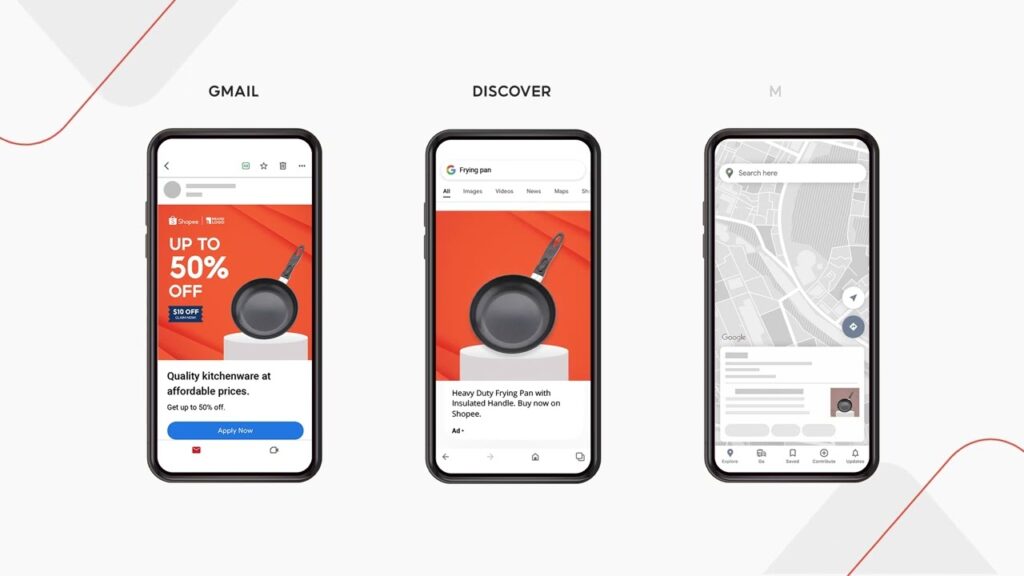
Performance Max distributes ad creatives across Google’s entire ecosystem within a single campaign—including Search, YouTube, Display, Discover, Gmail, and Google Maps. PMax is best suited for scaling overall audience reach beyond active search intent.
Consider PMax when:
- Your account holds established, stable conversion tracking data.
- You aim to scale reach beyond active search queries.
- You possess diverse visual assets, video content, and copy variations for multi-channel distribution.
If your core objective is simply capturing existing search demand for a specific Shopee item, Search Ads offer tighter keyword and budget control. Expand into PMax once reliable attribution frameworks confirm that multi-channel traffic generates net-positive revenue.
Technical Setup: Account Linking and Tracking Accuracy
Determining whether shopee google ads generate bottom-line orders or merely vanity traffic requires establishing a structured tracking foundation. Three core operational steps include setting up collaborative integrations, building tracking parameters, and segmenting campaign structures by product value.
Setting Up Shopee Collaborative Ads (CPAS)
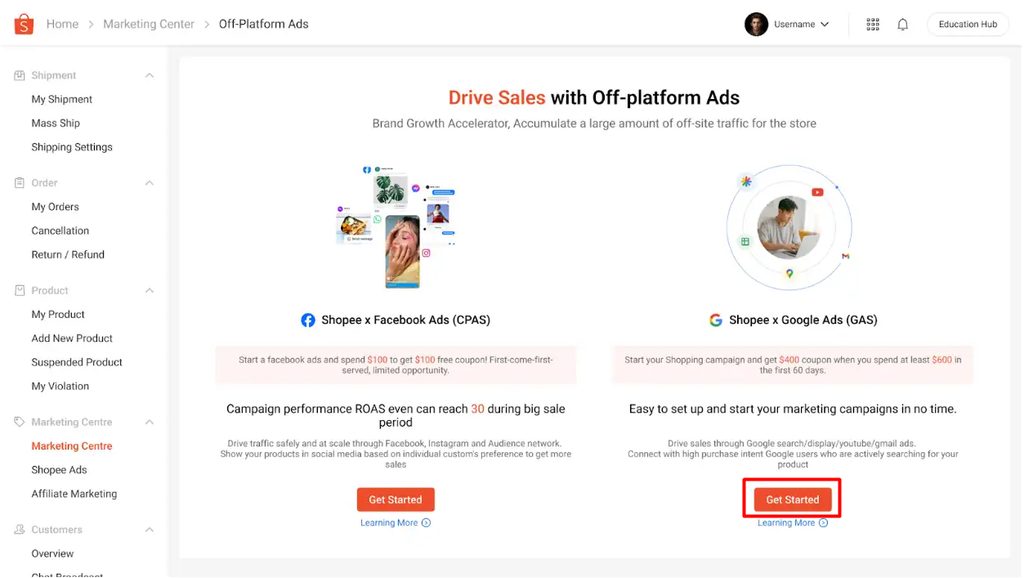
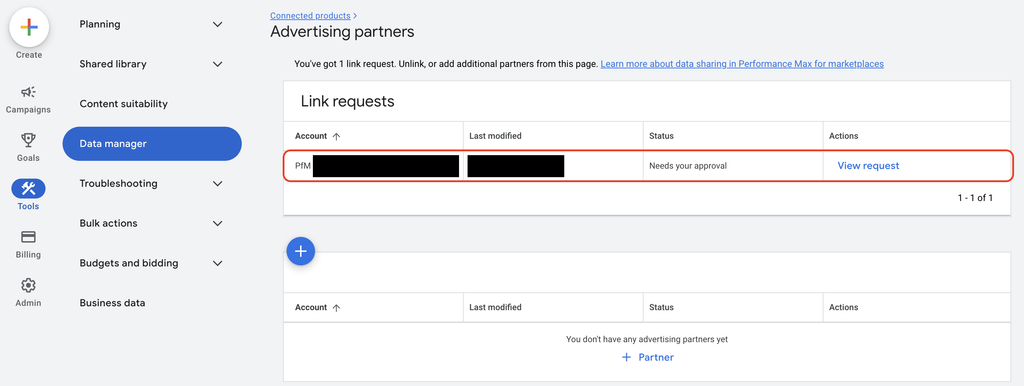
Shopee Collaborative Ads (CPAS) is a co-branded framework enabling merchants to leverage platform data for campaign tracking and conversion optimization. CPAS is an integrated partnership system managed between Shopee and ad partners rather than a simple tracking snippet manually installed on a seller’s storefront.
When deploying CPAS campaigns, follow the exact integration workflows provided by Shopee and your ad manager. Establish clear parameters before launching:
- Account Administration: Assign clear roles for campaign execution and management.
- Order Attribution: Define specific order types and actions credited to the campaign.
- Attribution Windows: Agree on conversion lookback windows and calculation methods.
- Reconciliation Criteria: Establish rules for matching reported revenue and completed orders.
Align tracking windows between Shopee and Google Ads. Variations in conversion lookback windows or calculation models between the two systems will cause discrepancies in reported order numbers.
Constructing UTM Tracking Links
UTM parameters help categorize incoming traffic from distinct marketing channels to destination pages supporting tracking parameters. Construct tracking links using a consistent URL structure:
utm_source → utm_medium → utm_campaign → utm_content
For instance, assign a Google campaign link as google / cpc / shopee-summer / reels-a, while applying a distinct parameter set to Facebook traffic. This separation allows you to evaluate performance by traffic source, campaign, and ad creative.
Verify Shopee landing page compatibility with custom UTM parameters before launching. Do not assume adding UTMs to every Shopee URL will automatically enable Google to track exact order conversions natively without backend integration.
Segmenting Ad Groups by Catalog Priority
Avoid bundling your entire product catalog into a single ad group when items carry different margin profiles and competition levels. Segmenting by product category grants tighter budget allocation and accurate ROI evaluation.
Organize your catalog into three strategic tiers:
- Hot-Sellers: Proven items with established demand and strong conversion rates.
- High-Margin Products: Items generating high profit margins despite lower overall volume.
- Growth Products: New releases or products requiring market expansion.
Compare ad spend, net revenue, ROAS, and actual net profit across all three tiers after gathering sufficient performance data. If a hot-seller generates high volume but low profit margins, reallocate media spend toward higher-margin products that drive long-term profitability.
Contact Info
You need a Facebook advertising account but don’t know any reputable provider. Coming to Rentads is where you will experience what you need google account for rent prestige, high trust, and professional consulting and service support for customers.
Frequently Asked Questions
Yes. Establish your measurement framework before spending budget so you can identify which traffic sources generate sales. Without cross-referencing data, evaluating whether campaigns drive real revenue or just empty clicks becomes difficult.
Google Ads and Shopee use different attribution logic, time-stamp reporting methods, and conversion lookback windows. Data discrepancies usually stem from these structural variations rather than technical system errors.

