Search ads shopee
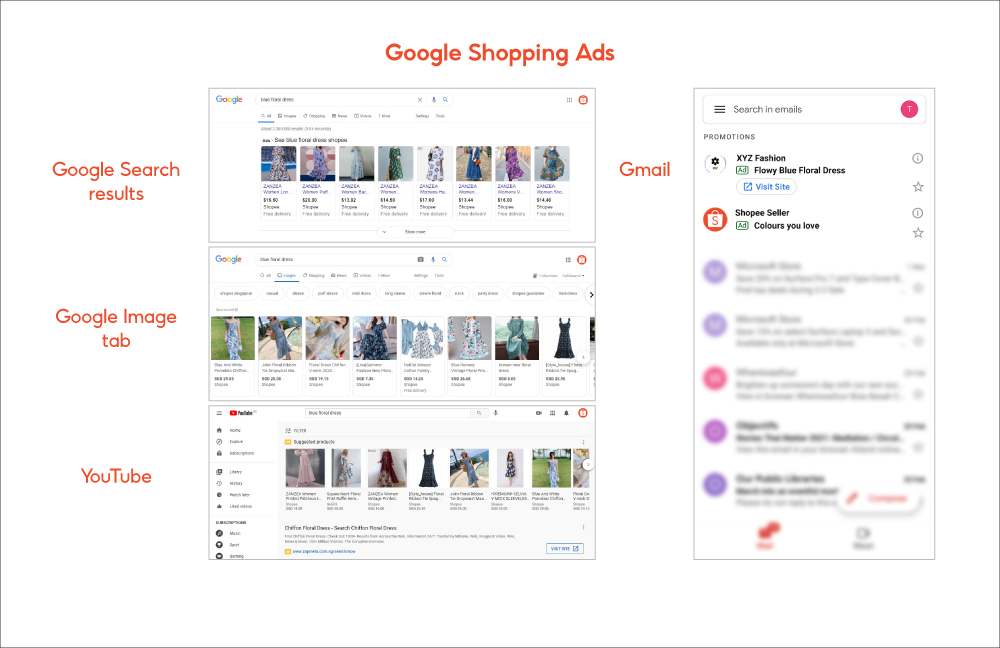
The act of actively typing keywords into the search bar marks the precise moment a buyer holds the clearest purchase intent and is most ready to spend on the platform. Choosing search ads shopee places your products directly in prime positions the instant customer demand arises. Maximizing efficiency from search ads shopee requires seamless alignment between target keywords, thumbnail visuals, and product detail page credibility. The technical roadmap developed by RentAds provides a proven solution to dominate high-visibility placement and unleash explosive sales growth for your store.
Buyer-Facing Visibility of Search Ads Shopee Placement
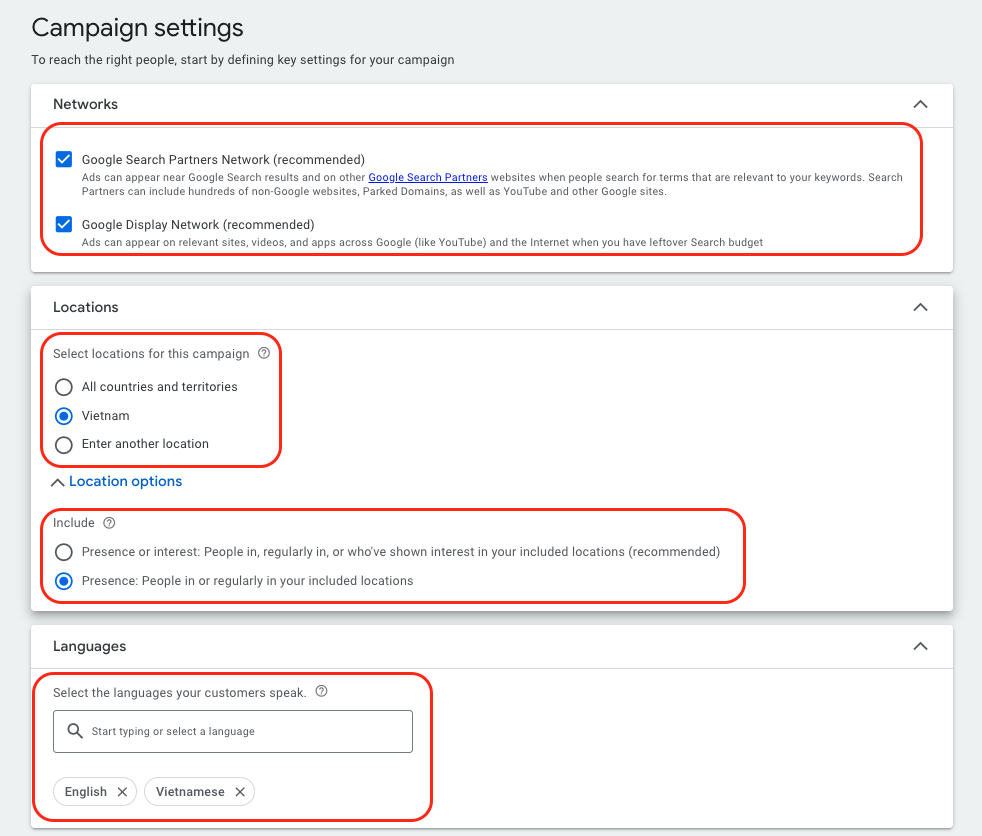
When buyers type a search query on Shopee, matching listings are compiled into a unified list for continuous side-by-side comparison. For search ads shopee, the goal extends beyond reaching a top position; listings must stand out long enough to drive user clicks. Success requires simultaneously optimizing ad position, visual assets, retail pricing, and search query relevance.
Identifying Sponsored Products in Search Results
As shoppers browse result pages, sponsored products appear interspersed among organic listings. Buyers typically spend just a few seconds scanning product thumbnails → titles → prices → review ratings before deciding to click.
If you run search ads shopee, audit your products directly within live search results rather than relying solely on dashboard reports. Search your active keywords and benchmark your listing against 3–5 neighboring ads. If your product achieves top placement but suffers from poor image clarity, higher pricing, or fewer reviews than competitors, the bottleneck lies in listing competitiveness rather than bid price.
A simple workaround is maintaining an audit log tracking Position – CTR – CPC – Order Volume – Cost per Order. If ad position is high but CTR remains low, prioritize optimizing thumbnails and titles. If CTR is strong but conversions lag, review pricing, reviews, and promotional offers before raising bids further.
Psychological Impact of Top 1–5 Positions on Purchasing Decisions
Higher ad placements increase product visibility earlier in the buyer journey, but maintaining top 1 placement through aggressive bidding is not always optimal. For highly competitive keywords, the cost to sustain top placement escalates rapidly without yielding proportional order growth.
Instead of setting a blanket objective to hit top 1, test 2–3 bid levels and evaluate efficiency at each position. For instance, if top 1 yields a 5% CTR at a high cost per order, while top 3–5 achieves a 4% CTR at a significantly lower cost per order, the lower position tier may deliver better net profitability.
Consider applying this positioning logic:
- Top 1–2: Prioritize for high-converting keywords or brand terms.
- Top 3–5: Ideal for controlling CPC while maintaining strong impression reach.
- Low Placement / Low Order Volume: Lower bids or pause if acquisition costs fail target metrics.
Always evaluate placement efficiency based on order volume and CIR/ROAS rather than rank alone. If raising bids pushes ads higher but costs grow faster than revenue, revert bids to previous levels and allocate budget toward higher-performing keywords.
Anchor Product Selection Strategies to Dominate Page 1
Rather than promoting your entire catalog simultaneously, isolate a core group of high-converting anchor products to absorb primary ad spend. Once performance stabilizes for this core group, expand advertising efforts across remaining inventory.
Criteria for Selecting the Top 20% of High-Rated Products
Filter your store catalog by sales volume, review scores, conversion rates, and profit margins to isolate your top 20% tier. For instance, if you manage 50 SKUs, select approximately 10 top-performing items for initial testing.
During the first 3–7 days, allocate modest daily budgets and evaluate per-item performance. For products generating consistent orders while hitting CIR targets, scale budgets upward; for items driving clicks without conversions, step down bids and audit product detail pages. This ensures ad spend concentrates rapidly on revenue-generating inventory.
Driving Initial Sales Velocity for New Products
For new listings without order history, avoid launching with high bid prices. Use new-buyer vouchers, store discounts, or existing traffic channels to capture initial orders and accumulate organic customer reviews.
Once a listing secures a baseline order volume and positive reviews, launch search ads shopee using conservative bids across 1–3 highly relevant keywords. If initial clicks yield orders, escalate bids incrementally; if spend accumulates without conversions, pause ads to refine product page optimization first.
Keyword Intent Matrix Based on Buyer Purchase Readiness
Avoid grouping all keywords into a single ad group. Structure your keyword selection based on search intent and conversion likelihood. Assign priority bids to terms near final purchase decisions while allocating lower test budgets to broader queries.
Grouping Exact Match Product Name Keywords for Immediate Conversion
This group captures shoppers with explicit product intent—such as “Uniqlo women’s UV protection jacket” or “Sony WH-1000XM5 headphones”. Segment keywords containing exact product names, model numbers, or specific SKU versions into isolated ad groups to streamline tracking.
You can set higher bids compared to other keyword tiers, but scale bids only when terms demonstrate actual sales conversion. After several testing days, isolate keywords delivering steady orders at target CIR metrics for budget scaling; keep bids low or pause terms driving empty clicks.
Leveraging Problem-Solving Keyword Clusters
This category represents shoppers with defined needs who have not settled on a specific brand—searching by use-case or solution, such as “sunscreen for oily skin”, “compact car vacuum cleaner”, or “women’s gift under 500k”.
Establish a dedicated ad group for these terms and initiate campaigns with moderate bids. As performance data accumulates, retain queries driving balanced traffic and valid orders. If a high-volume keyword yields excessive acquisition costs per order, scale back bids rather than increasing budget.
Eliminating Irrelevant Negative Search Queries
Periodically review search query reports to identify irrelevant or non-converting terms draining ad spend. For search queries misaligned with your product offerings, add them directly to your negative keyword list to prevent future ad impressions.
For example, if your store sells authentic premium products but ads continuously trigger for queries like “secondhand”, “used”, or “free”, exclude these terms to preserve target audience alignment. This practice ensures ad budgets concentrate on high-intent buyer searches rather than empty clicks.
Performance Evaluation via Real Net Margin Calculations
Do not judge campaign success purely by top-line revenue or total order counts. Focus on calculating net margin per order after deducting ad spend to determine which keywords to retain, scale, or pause.
Calculating Your Break-Even CIR Threshold
Determine net profit per order after subtracting product cost of goods sold (COGS), platform fees, seller-funded vouchers, and operational expenses. Calculate your baseline using this formula:
Break-Even CIR = (Maximum Allowable Ad Cost/Retail Price) x 100%
For example, if a product sells for 500,000 VND and yields 100,000 VND in pre-ad profit, your maximum allowable ad spend threshold to avoid net losses equals 20% of revenue. If a keyword consistently operates above this CIR benchmark, lower bids or cut spend rather than forcing top placement.
In practice, establish a target CIR safely below your break-even threshold to preserve net profit. If your break-even CIR is 20%, target a 12–15% operational CIR based on desired profit margins.
Budget Scaling Tactics for Winning Campaigns Without Inflation
When identifying winning keyword clusters with steady order volume, low CIR, and available impression headroom, avoid aggressive bid increases that spike CPCs. Prioritize budget expansion before increasing bid prices.
Execute budget scaling using this step-by-step approach:
- Increase daily budgets by 10–20% per step while holding bid prices constant.
- Monitor CPC, click volume, order counts, and CIR following each budget increase.
- If ad spend absorbs smoothly and CIR remains within target bounds, continue scaling.
- Raise bids only when impression share is strictly bottlenecked by ad position or bid limits.
If scaling causes CPCs to jump without driving proportional order increases, halt budget expansion and revert bids to previous baseline levels. This method expands revenue from winning search ads shopee campaigns without turning profitable terms into budget sinks.
Contact Info
Are you in need of Facebook advertising or need to rent a quality Facebook advertising account? Don’t worry! Rentads is a unit specializing in providing reputable Facebook accounts, as well as direct advertising support. Provides all types of advertising accounts such as google ads account for rent to help you reach and create fast conversions.
Frequently Asked Questions
Search ads shopee display when buyers actively type search queries into the search bar. Discovery Ads appear in recommendation placements based on buyer browsing behavior and product interest history.
New search campaigns typically require 7 to 14 days to collect sufficient impression, click, and conversion data before algorithm optimization stabilizes enough for major structural adjustments.

