Available credit in spaylater
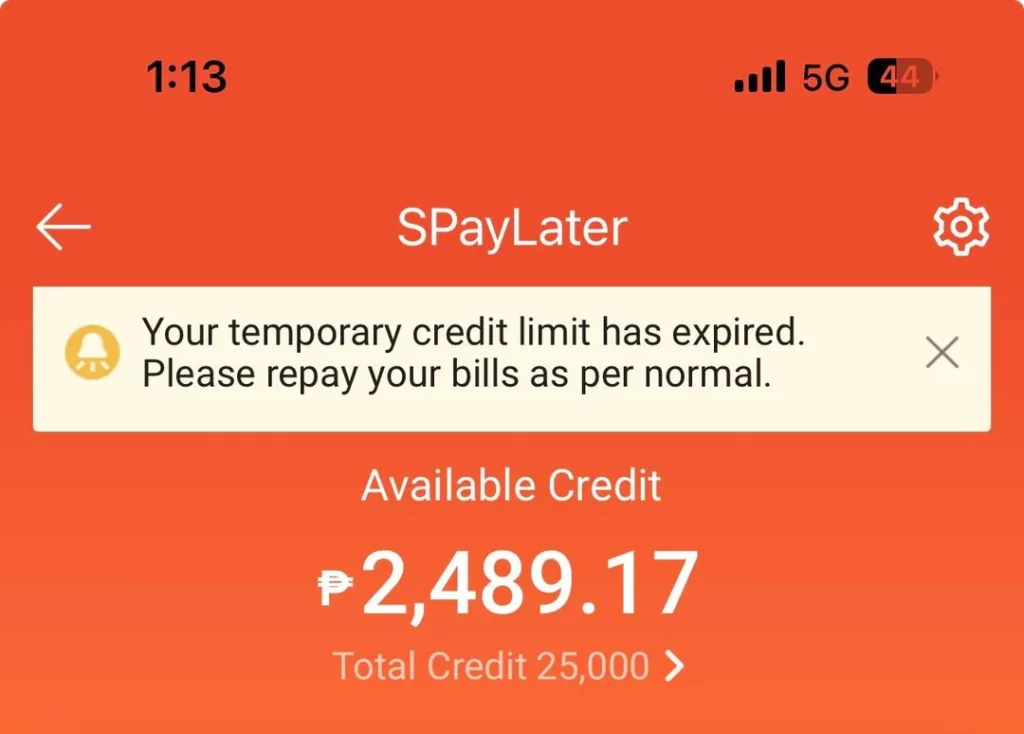
How much money is left to check out right now? This is the primary question users care about when checking the balance on the SPayLater interface. Understanding available credit in spaylater requires recognizing that it is not the fixed total credit limit granted initially, but rather the actual remaining balance available for purchases after deducting all un-cleared orders. Fluctuations in available credit in spaylater occur continuously with every purchase button tap or monthly bill payment. RentAds dissects the actual balance calculation, system restoration timing, and reasons why accounts with remaining limits may still face transaction rejections.
What Formula Calculates Available Credit in SPayLater?

Understanding available credit in spaylater requires recognizing it as the remaining credit limit that users can utilize for payment after deducting credit currently in use or temporarily held by the system for related transactions. Consequently, this amount fluctuates following each purchase, bill settlement, or transaction status update.
Formula for Calculating Available SPayLater Limits
In basic terms, the calculation can be understood using the following formula:
$$\text{Available Credit} = \text{Granted Total Credit Limit} – \text{Utilized Credit Limit}$$
For example, if an account holds a total SPayLater credit limit of 10 million VND and currently maintains 3 million VND in unreleased obligations, the principal available credit in spaylater equals approximately 7 million VND.
However, this serves primarily as a conceptual formula. The actual usable figure rendered on the app may be lower if the system logs pending transactions, unrecorded payments, or specific limit conditions. Therefore, when placing orders, buyers should rely on the live available credit in spaylater displayed within the app rather than manually calculating figures from transaction logs.
Why Has Paid Credit Not Reinstated Available Limits Immediately?
Settling outstanding balances does not always cause available credit in spaylater to increase instantaneously. System workflows must record successful payment transactions and update debt statuses before corresponding credit portions are released.
For instance, if you hold a 10 million VND limit, have utilized 4 million VND, and repay 2 million VND, available credit in spaylater should increase corresponding to settled amounts once system logs confirm the payment. Conversely, if transactions remain in pending processing states, displayed usable amounts may remain unchanged temporarily.
Consequently, if available limits fail to update immediately after payment, buyers should refrain from executing additional payments or bank transfers under the assumption that funds were unreceived. Verify transaction histories and outstanding balance statuses prior to re-attempting operations.
Is Available Credit Sufficient to Cover Total Order Values?
Available credit in spaylater does not always need to equal or exceed the total value of an order. If payment interfaces at checkout permit combining SPayLater with an alternative payment method, funds within credit limits will cover a portion via SPayLater while remaining balances can be settled through other Shopee-supported channels.
For example, if an order totals 8 million VND but available credit in spaylater stands at 6 million VND, and the payment interface presents options to cover remaining balances via ShopeePay, bank cards, or other channels, buyers can utilize the combined choices provided by the system.
Conversely, if Shopee does not display combined payment options for that specific order, holding an available credit balance lower than order totals may cause SPayLater to be declined. Therefore, buyers should inspect options directly at checkout rather than assuming every order allows splitting remaining amounts across alternative methods.
When Does Available Credit in SPayLater Increase or Decrease?
Fluctuations in available credit in spaylater depend on account utilization and bill repayment statuses. When system-confirmed transactions occur, a portion of credit limits is applied; when balances are paid or transactions are canceled and refunded, corresponding credit limits are released. Actual update times depend on processing states for each transaction.
Limits Decrease Upon Successful Order Checkout
When using SPayLater to finalize eligible orders, corresponding credit portions are recorded as utilized once system verification completes. For example, if an account possesses 10 million VND in available credit in spaylater and uses 3 million VND for an order, remaining limits decrease accordingly.
Crucially, limit deductions are not calculated based on monthly installment payment amounts. Selecting 3, 6, or 12-month tenures does not mean deducting only a fraction of the order value from initial credit limits. Full transaction values are recorded under SPayLater limit mechanisms and gradually restored as users settle corresponding monthly obligations.
Limits Reinstate Following Balance Settlements
Upon successful settlement of SPayLater statements, credit portions corresponding to paid amounts are released for continued use. However, fixed claims such as three-second updates should be avoided, as update durations depend on payment channels and system processing speeds.
If bank accounts show debited funds but available credit in spaylater remains unchanged, inspect payment histories and statement statuses within the app first. Avoid making duplicate repayments immediately simply because displayed limits have not updated.
How Order Cancellations, Returns, or Refunds Restore Limits
When orders face cancellation or generate returns and refunds, obligations tied to SPayLater transactions are processed according to order refund statuses. Once system logs confirm successful refund processing, corresponding available credit in spaylater can be released back to the account.
In partial return cases, refunded amounts may not equal full original transaction values; thus, restored credit amounts depend on actual refunded values and order processing statuses. Buyers should cross-check order histories, refund notices, and available credit in spaylater balances simultaneously rather than relying solely on balance figures.
If order statuses indicate successful refunds but available credit in spaylater remains unadjusted, allow the system time to complete reconciliation before executing new transactions. If statuses remain unchanged past standard processing windows, contact Shopee support for transaction inspection.
Releasing and Increasing Credit Limits for Accounts
To reopen credit limits for continued purchases, users should prioritize managing debt balances and payment schedules rather than attempting to boost limits through abnormal transactions. Restored credit depends primarily on settling active obligations, whereas granted total limits depend on system evaluations and individual account eligibility.
Early Settlement of Active Balances
When needing to reuse credit limits, settling upcoming statement balances early can reduce active obligations and release corresponding available credit in spaylater once system records confirm successful payment. However, paying partial amounts early should not be assumed to yield an instant limit increase matching the exact paid amount.
Prior to early settlement, inspect exact required payment amounts and debt statuses within the application. If multiple SPayLater transactions exist, prioritize settling statements due soonest or those directly impacting required credit limits. After paying, re-verify available credit in spaylater before placing new orders.
On-Time Payments Help Maintain Limit Adjustment Eligibility
Paying statements 2 to 3 days before due dates represents a solid habit to avoid late penalties caused by banking delays, slow transaction processing, or forgotten deadlines. However, maintaining early payment habits carries no guarantee that SPayLater will automatically increase total credit limits by specific amounts.
Limit adjustments, when granted, depend on system evaluations and criteria applied to individual accounts. Therefore, rather than artificially generating transaction histories to pursue limit increases, maintain manageable debt levels, pay fully and on time, and avoid accumulating overdue balances. When accounts qualify for limit adjustments, updated information appears directly on the application.
What to Do If Bank Accounts Are Debited But Limits Have Not Updated
If funds are debited from bank accounts but SPayLater debt balances or available credit in spaylater remain unadjusted, refrain from executing duplicate payment transactions immediately. Review bank transaction histories, Shopee payment records, and debt balance statuses to determine whether transactions succeeded or remain pending.
If bank transactions report success, retain timestamps, amounts, transaction reference IDs, and screenshots as reconciliation proof. Allow the system processing time; if payments remain unrecorded after standard windows, contact official Shopee support channels for specific transaction checks.
Most importantly, distinguish between funds debited by banks and payments recorded by SPayLater. These two statuses may not update simultaneously; thus, a delay in updating available credit in spaylater does not mean users need to pay a second time.
Contact Info
Are you in need of Facebook advertising or need to rent a quality Facebook advertising account? Don’t worry! Rentads is a unit specializing in providing reputable Facebook accounts, as well as direct advertising support. Provides all types of advertising accounts such as google account for rent to help you reach and create fast conversions.
Frequently Asked Questions
Systems typically update within seconds. If available credit in spaylater does not adjust after 15 minutes, capture a screenshot of your bank transfer receipt and submit it to the Shopee Help Center for automatic reconciliation.
No. Available credit in spaylater represents a dedicated shopping credit limit for purchases on the Shopee platform and strictly does not support cash withdrawal features.

