Buy now pay later shopee
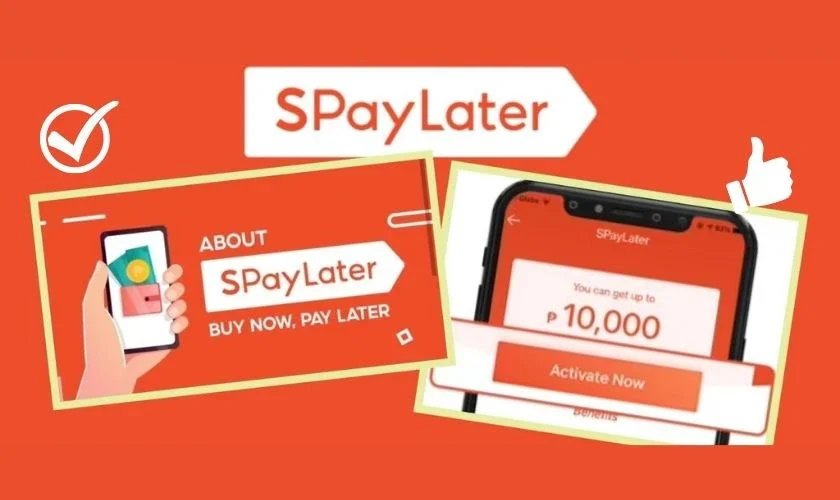
Hesitation over high-ticket products often leads shoppers to abandon their carts at the final checkout step. Implementing buy now pay later shopee (SPayLater) provides immediate financial relief by splitting payments into smaller installments, enabling customers to make quicker buying decisions. Stores that activate buy now pay later shopee not only improve their conversion rates but also elevate their average order value (AOV). RentAds offers actionable insights to help store owners fully leverage the platform’s credit-line user base to drive strong revenue growth.
Impact of Buy Now Pay Later Shopee on Purchasing Psychology
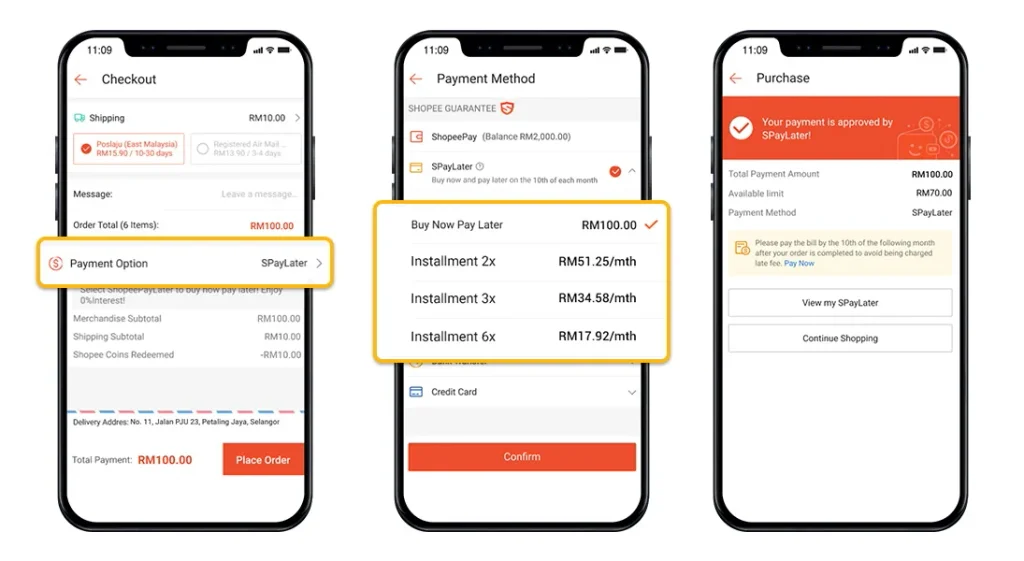
The implementation of buy now pay later options can serve as a catalyst for conversion, particularly for higher-ticket inventory. When shoppers are not required to pay the full order value upfront, cash flow friction decreases, accelerating purchase decision-making. However, sellers must position this payment method accurately rather than treating it as a guaranteed order driver.
Platform-Managed Credit Payment Architecture
With SPayLater, sellers do not negotiate credit terms directly with buyers or manage installment collection. Credit processing is handled within the service provider’s infrastructure, while sellers receive payouts according to Shopee’s standard financial settlement workflows.
Consequently, when integrating SPayLater into product content, avoid claiming that “Shopee advances 100% of order payouts immediately upon order success” unless official platform terms confirm precise settlement schedules. The safest communication approach is emphasizing that your store follows standard Shopee payout mechanisms while buyers gain flexible deferred payment options if their accounts qualify.
Breaking Down Lump-Sum Payments
For products ranging from several hundred thousand to multiple millions of VND, requiring full upfront payment can cause buyers to defer their purchase decisions. Installment options or split-payment plans shift buyer focus toward manageable periodic payments rather than the total purchase price at checkout.
Sellers can leverage this advantage by displaying clear pricing alongside SPayLater availability for qualifying products, especially within high-value categories such as smartphones, consumer electronics, premium cosmetics, or home appliances. However, avoid framing installment options as “buy now with no payment required,” as buyers remain obligated to complete payments under service terms.
Comparative Store Selection via SPayLater
When identical products feature similar price points and review profiles, flexible payment capabilities can serve as a secondary differentiator during store selection. This dynamic is particularly evident among digital-native shoppers with active SPayLater credit limits.
Rather than resorting to deep price discounting to stay competitive, sellers can combine listing prices, shop vouchers, product reviews, and payment flexibility into a unified shopping experience. Nevertheless, do not assume younger demographics automatically favor stores offering SPayLater; actual performance depends on product value, available buyer credit limits, and active payment incentives during a given campaign.
Restructuring Product Catalogs to Encourage Installment Purchases
Deploying buy now pay later shopee is most effective for higher-ticket orders where buyers demonstrate purchasing intent but hesitate over immediate cash outlay. Rather than applying a single strategy across your entire catalog, focus effort on high-value SKUs, strategic bundles, and clear payment messaging.
Prioritizing Mid-to-High-End Products
High-value items face greater payment friction than lower-priced goods, offering more room to leverage deferred payment solutions. Identify products priced from 500,000 VND to several million VND as priority targets, particularly items with established sales history, strong reviews, and stable conversion rates.
Avoid promoting high-ticket items solely because deferred payments are enabled. Ensure competitive pricing, high-quality imagery, comprehensive product specifications, and clear return policies are established first. Buy now pay later shopee should act as a friction reducer rather than a substitute for core product appeal.
Bundling Complementary Products
For individual low-cost items, group complementary products into bundles to raise total cart values. For instance, instead of selling a single item for 350,000 VND, create a main item + accessory + add-on bundle priced at 600,000–800,000 VND.
Avoid bundling unnecessary items simply to inflate order value artificially. Bundles must deliver genuine utility or favorable bundled pricing. Track average order value, bundle conversion rates, and net profit margins post-launch to evaluate strategy performance.
Displaying SPayLater Branding Official Channels
Do not insert unauthorized SPayLater logos or custom badges onto product thumbnails unless Shopee provides official templates or guidelines. Payment badge rendering depends on real-time platform interface policies.
If Shopee automatically displays SPayLater badges for eligible SKUs, utilize the platform’s native display elements rather than designing custom visual overlays. Periodically check search result pages using a buyer account to verify how payment information appears to prospective customers.
Leveraging Platform Incentives to Elevate Completion Rates
When Shopee launches SPayLater payment subsidies, sellers should immediately apply them to high-ticket, high-converting inventory. The objective is presenting incentives right at the checkout decision point while minimizing cart abandonment steps.
Strategic Placement of Payment Support Messaging
For high-priced items, place payment information near the top of the product description rather than requiring buyers to scroll to the bottom. Keep copy concise:
“SPayLater supported – check available payment discounts at checkout.”
Follow immediately with core purchase details: listing price, active vouchers, and store offers. Avoid lengthy explanations detailing SPayLater mechanics.
Channeling Platform-Funded SPayLater Discounts
Prior to Mega Sale events, filter high-ticket SKUs and identify items eligible for platform-funded SPayLater vouchers. Prioritize ad spend toward these specific listings rather than distributing budgets evenly across the entire store.
For instance, if a store carries a 1,500,000 VND item alongside a 150,000 VND item, and SPayLater vouchers significantly reduce checkout costs for the 1,500,000 VND SKU, concentrate ad banners, search ads, and shop vouchers on that higher-value item. Post-campaign, compare order counts, average order values, and gross revenue between subsidized and non-subsidized categories to measure incremental uplift.
Automated Messaging for Buyer Inquiries
Keep customer chat scripts concise and actionable. When prospective buyers inquire about installment options or SPayLater, automate responses that guide them straight to checkout:
“You can select SPayLater at the checkout step if your account and order qualify. Once selected, Shopee displays applicable repayment terms and fees for your review prior to order confirmation.”
If a buyer adds an item to their cart without completing payment, pair automated follow-ups with active voucher reminders or campaign expiration warnings to encourage order finalization.
Contact Info
We provide services google ads account for rent nationwide, and with a team of experienced and qualified staff who both support advertising and can directly perform Facebook advertising if you need. Contact us via phone number.
Contact Info
We provide services… nationwide, and with a team of experienced and qualified staff who both support advertising and can directly perform Facebook advertising if you need. Contact us via phone number.
Frequently Asked Questions
Sellers only pay standard platform transaction fees. You do not incur interest-bearing costs unless voluntarily enrolling in 0% interest subsidy programs.
Navigate to Sales Reports within the Marketing Centre and filter performance data by Payment Method. This provides granular visibility into revenue share and order lists originating from SPayLater payment flows.

