Shopee food ads
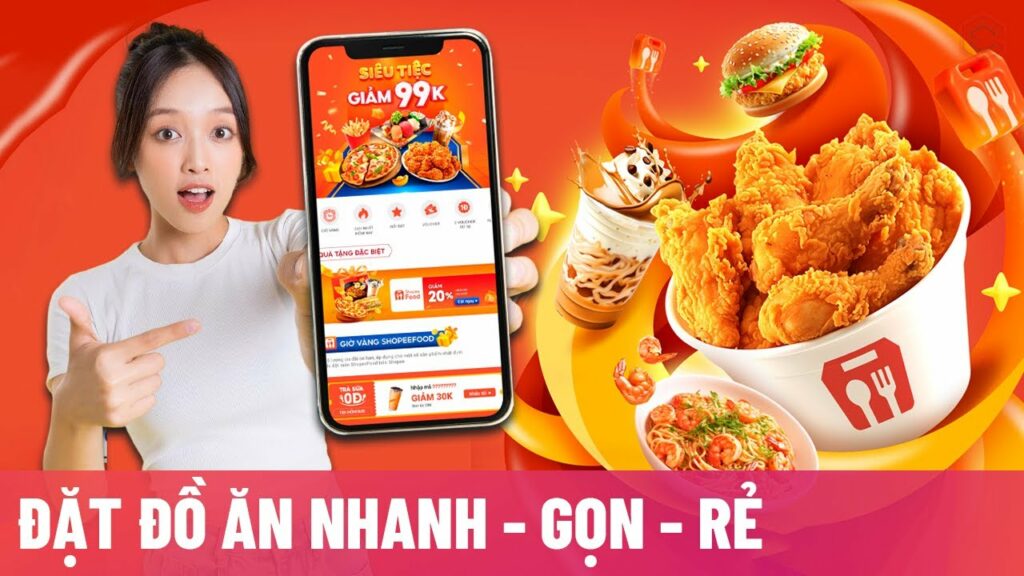
Food delivery app users make rapid order decisions based on the first recommendations that catch their eye. Activating shopee food ads places your restaurant name and best-selling dishes in prime display spots precisely when hunger strikes. Maximizing efficiency from shopee food ads requires a calculated balance between delivery radius, food COGS, and strategic ad scheduling. RentAds provides smart budget allocation strategies to help store owners drive a steady stream of orders while safeguarding profit margins.
Delivery Radius, Order Processing Speed, and Positioning in Shopee Food Ads
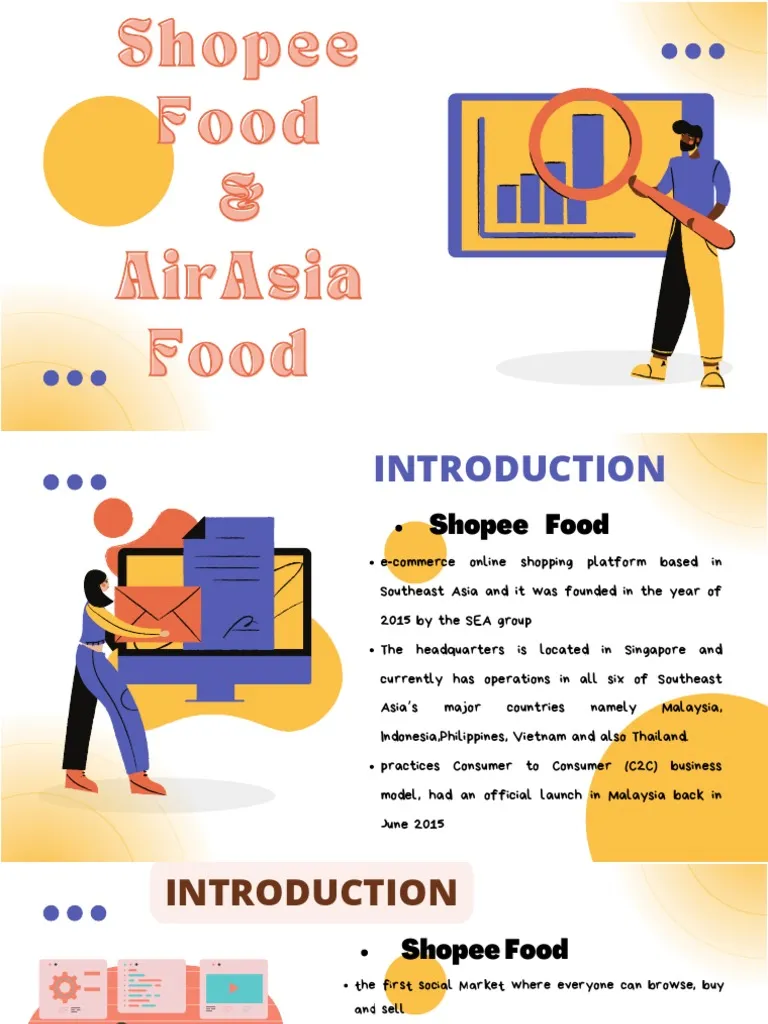
To ensure shopee food ads generate orders effectively, restaurants must maintain combined control over delivery radius, kitchen prep speed, and display positioning. Overextending coverage radius may increase reach, but it prolongs delivery times, degrades food quality, and raises cancellation rates.
Limiting Delivery Distance
Establish a delivery radius based on menu characteristics and kitchen fulfillment capabilities rather than prioritizing blanket coverage alone. Use these distance tiers as operational benchmarks:
- 2–3 km: ideal for fried items, noodle soups, and hot dishes requiring optimal thermal retention.
- 3–5 km: balanced sweet spot between audience reach and food quality preservation.
- 5–7 km: expand only if packaging preserves freshness reliably and the kitchen processes high order velocity.
Post-launch, cross-analyze order volume, cancellation rates, delivery times, and customer reviews across distance segments. If the >5 km segment yields sparse orders alongside frequent delivery delays or order cancellations, shrink the delivery radius instead of raising ad spend.
Optimizing Kitchen Preparation Speed
System prep times must accurately reflect kitchen capacity, supported by standardized workflows that shorten actual prep windows. Prior to peak meal hours, prep ingredients, set up packaging, portion items, and designate dedicated packers to accelerate throughput from order acceptance to driver handoff.
Track average processing times and order delay rates to isolate bottlenecks across shifts. Maintaining consistent fulfillments allows restaurants to absorb ad-driven demand without compromising service quality.
Premium Placement in “Today’s Recommendations”
Prominent recommendation placements connect restaurants with buyers actively seeking meals, but display volume alone does not measure success. Compare impressions -> clicks -> orders -> cost-per-order to isolate which ad slots drive actual bottom-line revenue.
If a dish gets high exposure but low orders, first audit product photos, dish titles, pricing, ratings, and active promos. For items delivering strong conversion rates and cost-per-order figures within profit limits, prioritize budget and bid placement during peak meal hours.
Combo Packaging Strategies to Increase Average Order Value (AOV)
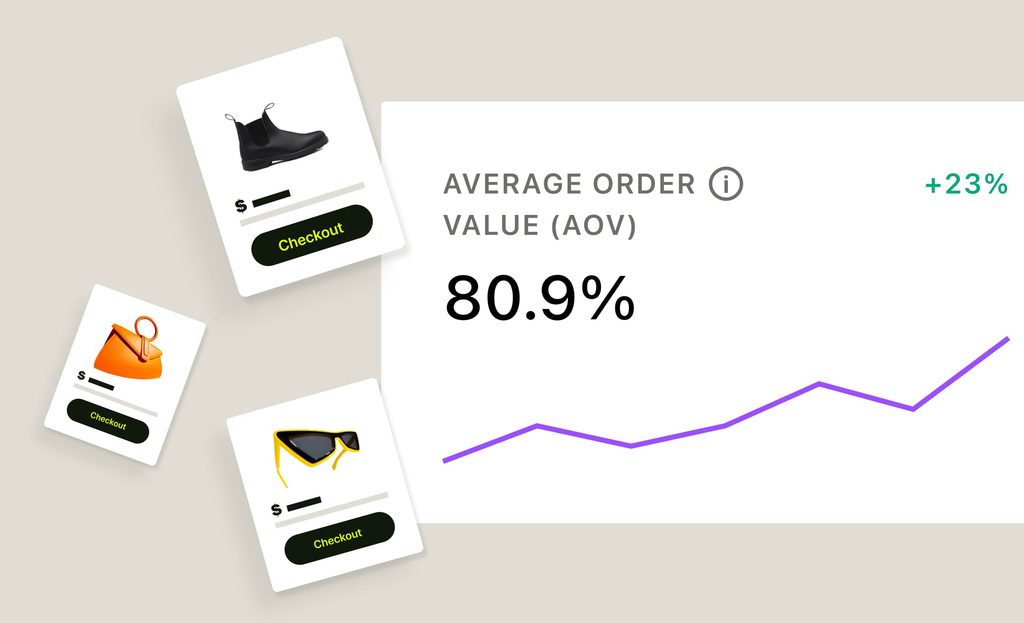
Combos do more than create perceived value; they allow restaurants to raise ticket sizes without discounting core dishes deeply. Build combos around low-COGS side items and high-demand complements, pricing them attractively while safeguarding net profit margins.
Protecting Core Dish Profit Margins
Instead of slashing prices on main dishes by 20–30%, retain core item prices and bundle drinks, fries, toppings, or low-cost sides. This strategy creates a high-value combo perception while preventing margin erosion on top-selling items.
For example, a burger priced individually at 89,000 VND can be bundled with fries and a drink at 119,000–129,000 VND. The incremental cost of sides remains well below the higher bundle price, raising total ticket size cleanly.
When pricing combos, factor in complete component COGS, platform fees, and discount costs to determine net profit. Never evaluate success on top-line combo revenue alone.
Intent-Driven Intent Combo Naming
Combo names should state explicit buyer utility and usage scenarios rather than generic labels like “Combo 1” or “Special Combo.” Aligning names with real-world eating occasions speeds up buyer decision-making.
Structure combo categories by utility:
- Group Dining: “2-Person Feast”, “4-Person Crew Meal”.
- Office Lunch: “Full-Belly Lunch Combo”, “Rice Plate + Drink”.
- Snack Hours: “Afternoon Snack Combo”, “2-Person Snack Set”.
When offering multiple combos, include item counts, portion sizes, or core benefits directly in the title. Ensure combo images display all included items alongside final pricing to reduce buyer hesitation.
Tiered Spend-Threshold Vouchers
Order-value threshold vouchers work exceptionally well to stretch cart sizes. Rather than applying flat discounts across all orders, set minimum spend tiers slightly above your current average order value to incentivize add-ons.
For instance, if your average order value sits around 150,000 VND, offer a 20,000 VND voucher for orders over 180,000 VND. Buyers only need to add a small side or drink to qualify, lifting ticket size while controlling discount costs.
Monitor average order value, voucher redemptions, and net profit before and after implementation. If buyers meet tiers without increasing cart sizes meaningfully, raise spend thresholds or adjust discount amounts.
Strategic Bidding Roadmaps Based on Weather and Peak Hours
Allocate shopee food ads spend dynamically based on real-time order intent rather than pacing budgets evenly across 24 hours. Dining hours and changing weather conditions drive rapid demand shifts; prepare dedicated budget and bid tiers for each scenario.
Scaling Budgets Ahead of Peak Meal Windows
Raise ad budgets 30–45 minutes before peak dining windows so ads gain traction right as consumer hunger spikes. Prioritize 10:30–12:30 for office lunch audiences, and concentrate on 17:00–20:00 for dinner shifts, tweaking parameters according to historical order trends.
Instead of surging bids all at once, adjust spend in structured stages:
- Pre-Peak: increase budgets/bids by 10–20% to establish audience reach.
- Peak Window: maintain or scale spend if conversion rates and orders stay strong.
- Post-Peak: step down bids as traffic and order velocity cool off.
This phased approach prevents budget exhaustion before entering prime conversion windows.
Raising Bids During Adverse Weather Events
Heavy rain or extreme heat keeps diners indoors, shifting demand toward food delivery apps. However, do not max out bids automatically during bad weather. Base bid increases on historical performance data from similar rain events.
If rainy days consistently drive 20–30% order spikes and the kitchen can handle extra volume, raise ad budgets 10–20% before peak demand hits. Conversely, if the kitchen is at maximum capacity or prep delays mount, pushing ads will cause order cancellations and poor reviews. Prioritize operational quality over chasing impression share.
Minimizing Off-Peak Spend Waste
Not all ad clicks carry equal conversion value. Low-search off-peak hours can spend money continuously without generating sufficient orders.
Review hourly performance reports to identify high-click, low-order time slots. If specific hours yield high costs-per-order or breach target CIR limits, lower bids or pause ads entirely during those windows. Reallocate saved budget toward peak hours with higher conversion rates and total revenue.
Contact Info
We provide services google ads agency account for rent nationwide, and with a team of experienced and qualified staff who both support advertising and can directly perform Facebook advertising if you need. Contact us via phone number.
Frequently Asked Questions
Yes, run small budgets on hero items, provided the store page features high-quality dish imagery and introductory shop vouchers so visitors convert upon clicking.
No. Concentrate ad spend 30 to 60 minutes before major meal windows. Running ads during off-peak hours (such as 2:00 PM – 4:00 PM) typically generates casual clicks with low conversion potential.

