Shopee pay top up
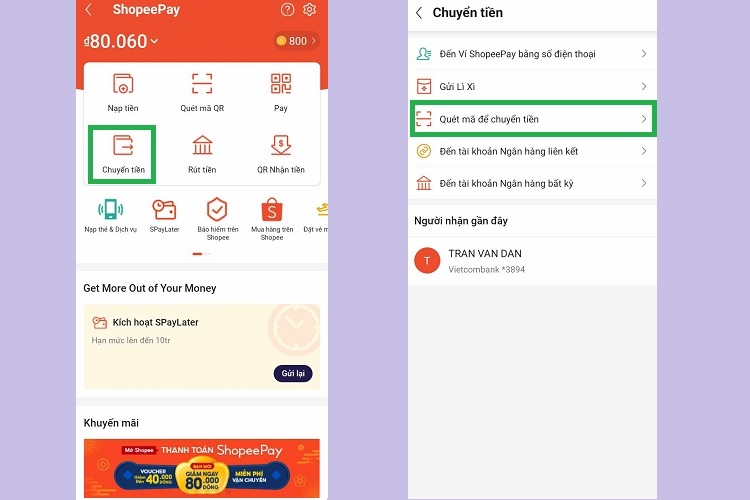
Shoppers encountering low balances or bank linking errors at the final checkout step often exit the app rather than attempting the process again. Completing a shopee pay top up in advance allows buyers to process orders in seconds and secure limited-quantity vouchers before they run out. Targeting shoppers accustomed to making a shopee pay top up helps stores minimize return costs and accelerate cash flow turnaround. RentAds provides payment navigation strategies designed to help your store protect revenue during peak traffic surges.
Resolving Checkout Abandonment Bottlenecks with Shopee Pay Top Up

To reduce dropped orders at the final checkout step, stores need to manage three core operational focus areas: preparing backup payment options, minimizing buyer friction points, and actively monitoring pending checkout orders. During peak Flash Sale events, these protocols must be established prior to campaign launch.
Bank Gateway Congestion During Peak Traffic Windows
Approximately 15–30 minutes before a Flash Sale launches, verify the status of Shopee-supported payment methods and prepare guidance for buyers to switch to alternative methods if payment processing errors occur.
If a buyer reports “payment made but order status not updated”, avoid requesting an immediate re-payment. Verify the order status first within the backend system to prevent duplicate transactions. For time slots experiencing frequent processing errors, record failure rates by payment method to identify which payment channels deliver higher stability.
Prioritizing Balance-Ready Payment Options
To streamline checkout steps, direct shoppers toward e-wallets or balance-ready accounts when supported for the order. Additionally, verify voucher payment method restrictions in advance to prevent buyers from selecting ineligible methods and restarting checkout steps.
For high-ticket inventory, display transparent price breakdowns—original price -> voucher discount -> final checkout total—directly on the product detail page. Requiring buyers to manually calculate post-discount pricing or presenting unexpected total amounts at checkout significantly increases cart abandonment rates.
Safeguarding Orders Against Timeout Cancellations
Assign dedicated staff to monitor pending orders and customer chats continuously during Flash Sales, especially throughout peak 30–60 minute windows. Address buyer payment errors immediately rather than allowing message backlogs to persist until orders hit their payment timeout thresholds.
Audit created but unpaid orders following each peak period. If unpaid order rates spike abnormally compared to baseline days, investigate underlying factors such as payment gateway glitches, voucher invalidation, or price calculation changes. Identifying root causes prevents unnecessary ad spend expansion aimed merely at offsetting dropped traffic.
Audience Segmentation and Targeting Balance-Ready Buyers
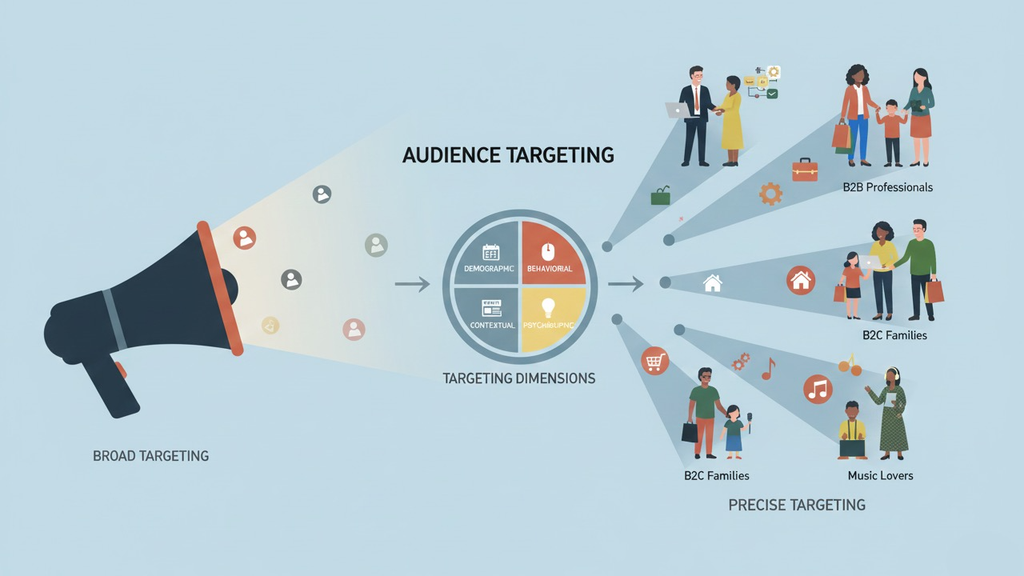
Rather than distributing generic promotions, concentrate promotional offers on buyer segments with past e-wallet payment histories or those purchasing SKUs aligned with typical wallet balance levels. This targeted approach ensures vouchers reach qualified audiences while controlling promotional expenses.
Filtering E-Wallet Payment History Segments
When platform analytics permit segmentation based on purchase history or payment preferences, isolate buyers who have utilized e-wallet methods and issue targeted vouchers matched to their average spend thresholds.
For example, if the segment’s average order value is 150,000 VND, test 15,000–20,000 VND vouchers applicable to 120,000–150,000 VND order thresholds. Following each dispatch, track open rates, voucher redemption velocity, order volume, and revenue against baseline promotional control groups. If redemptions lag, adjust discount values or spend thresholds instead of expanding recipient reach blindly.
Optimizing Sub-200k Impulse SKUs
Products priced under 200,000 VND serve as effective customer acquisition drivers, though sellers should avoid assuming this category automatically exhibits the highest wallet balance usage without store-specific data validation.
Select 3–5 high-converting, sub-200,000 VND items for featured storefront placements. Pair these listings with complementary add-ons to lift overall cart values such as a 149,000 VND core item combined with a 49,000 VND cross-sell item. Monitor average order value and cross-sell attachment rates to isolate true revenue drivers.
Integrating Priority Fulfillment Messaging
If your operation maintains fast fulfillment turnarounds, incorporate clear messaging such as “Fully paid orders receive priority packing in order of payment confirmation” within product descriptions or automated customer chat flows.
Commit strictly to operational capabilities under your control. Avoid promising “immediate dispatch” if warehouse or kitchen capacity cannot sustain peak-hour surges. A standard practice involves setting clear cut-offs such as processing orders completed before 2:00 PM on the same day and allocating packing staff to fulfill that SLA consistently.
Cash Flow Optimization and Hidden Operational Cost Reduction
For high-volume merchants, operational expenses extend beyond advertising costs and platform commission fees to include capital tied up in transit, delayed reconciliation schedules, and post-sale customer support labor. Optimizing these three operational pillars accelerates capital turnover and eliminates non-revenue-generating orders.
Mitigating Capital Stagnation from Failed COD Deliveries
Unsuccessful COD orders leave inventory stranded in carrier logistics networks while locking up operational working capital. Frequent delivery failures restrict capital required for inventory replenishment while incurring return processing expenses.
Track unfulfilled COD delivery rates, return ratios, and average transit times through final return completion separately. If specific product lines or geographic regions show elevated return rates, investigate root causes prior to scaling ad spend for those items.
For high-value inventory, prioritize vouchers or incentives for prepaid online transactions to reduce reliance on COD flows. For habitual non-receipt buyers, leverage platform customer management tools to control buyer eligibility rather than absorbing repeated fulfillment costs.
Shortening Revenue Reconciliation Cycles
Working capital provides tangible utility only when unlocked for inventory replenishment, advertising campaigns, or daily operational expenses. Consequently, track the timeline from order delivery confirmation to revenue disbursement into your store balance based on Shopee’s current settlement mechanisms.
Perform routine audits of pending revenue, settled balances, and platform fee deductions to maintain clear cash flow visibility. If funds remain pending beyond standard settlement timeframes, cross-reference order IDs and carrier delivery statuses before contacting Shopee support.
Avoid treating “delivery completion by carrier equals instant wallet payout” as an absolute guarantee, as actual credit schedules depend on platform settlement processing protocols. Incorporate buffer windows into financial planning rather than allocating newly delivered order revenue for same-day operational disbursements.
Streamlining Post-Sale Customer Support Overhead
COD orders generate significant administrative overhead beyond sales generation: order confirmations, failed delivery follow-ups, re-delivery tracking, return inspections, and dispute resolution. At scale, these manual tasks consume substantial staff bandwidth.
Minimize support overhead by standardizing recurring buyer inquiries into structured response templates—covering pending deliveries, re-delivery attempts, and return processing procedures. Log support ticket root causes to address recurring operational friction at the source.
For instance, if inquiries stem from unclarified shipping fees, delivery timelines, or voucher conditions, display these details prominently on product pages and automated order confirmation chats. Lowering manual support ticket volume saves operational time while reducing hidden support labor costs per order.
Contact Info
You need a Facebook advertising account but don’t know any reputable provider. Coming to Rentads is where you will experience what you need google account for rent prestige, high trust, and professional consulting and service support for customers.
Frequently Asked Questions
The system automatically refunds funds back to the buyer’s ShopeePay balance immediately upon order status transition to Cancelled, eliminating reconciliation wait times.
No. Payment processing fees follow Shopee’s standardized rate across all payment channels; sellers do not pay additional surcharges for wallet transactions.

